Maintaining a DC motor is crucial for ensuring its long – term performance, reliability, and efficiency. As a DC motor supplier, I’ve witnessed firsthand the impact that proper maintenance can have on the lifespan and functionality of these motors. In this blog, I’ll share some in – depth insights on how to effectively maintain a DC motor. DC Motor
Understanding the Basics of DC Motors
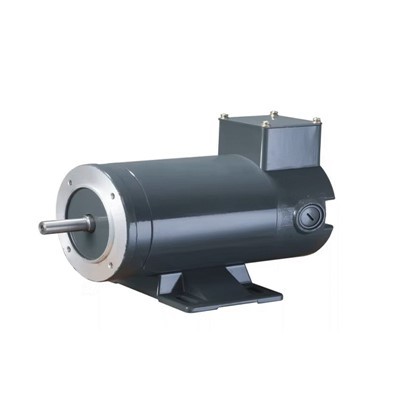
Before delving into maintenance, it’s essential to understand the basic components of a DC motor. A DC motor consists of a stator, which is the stationary part of the motor, and a rotor, the rotating part. The stator typically contains field windings that create a magnetic field, while the rotor has an armature winding. The interaction between the magnetic fields produced by the stator and the rotor is what causes the motor to rotate. Other vital components include the commutator, brushes, and bearings.
Regular Inspection
Regular inspection is the cornerstone of DC motor maintenance. It should be carried out at scheduled intervals, depending on the motor’s usage frequency and operating conditions.
External Inspection
Begin with an external inspection of the motor. Check for any signs of physical damage, such as cracks, dents, or corrosion on the motor housing. Physical damage can not only compromise the motor’s structural integrity but also expose internal components to environmental factors. If the motor is installed in a harsh environment, such as a dusty or wet area, these inspections should be more frequent.
Also, look at the motor’s mounting and alignment. Misaligned motors can cause excessive vibration, which in turn leads to premature wear and tear on the bearings and other components. Ensure that all the mounting bolts are tightened properly and that the motor is perfectly aligned with the driven equipment.
Internal Inspection
Periodically, it’s necessary to open the motor for an internal inspection. Check the condition of the brushes and the commutator. The brushes are responsible for transferring electrical current to the rotating armature. Over time, the brushes wear down due to friction with the commutator. If the brushes are worn beyond the recommended limit, they need to be replaced immediately. A worn – out brush can cause sparking, which can damage the commutator and reduce the motor’s efficiency.
The commutator should also be inspected for signs of wear, pitting, or unevenness. A damaged commutator can lead to poor electrical contact, resulting in reduced motor performance and potential overheating. If the commutator shows minor damage, it can sometimes be repaired by carefully sanding it with fine – grit sandpaper. However, if the damage is severe, the commutator may need to be replaced.
Inspect the armature winding for any signs of damage, such as short – circuits or open – circuits. This can be done using specialized testing equipment, such as a multimeter or a winding tester. Any damaged windings should be repaired or replaced by a qualified technician.
Cleaning
Cleaning the DC motor is an important maintenance step. Dust, dirt, and debris can accumulate on the motor’s internal and external components, which can impede heat dissipation and cause mechanical problems.
External Cleaning
Use a soft brush or compressed air to remove dust and dirt from the motor’s exterior. Be careful when using compressed air to avoid blowing debris into sensitive areas of the motor. If the motor is particularly dirty, you can use a mild detergent solution to clean the housing, but make sure to dry it thoroughly afterward to prevent corrosion.
Internal Cleaning
For internal cleaning, it’s best to use a non – conductive cleaning solvent. This can help remove oil, grease, and other contaminants from the internal components, such as the brushes, commutator, and windings. However, when using solvents, follow the manufacturer’s instructions carefully to avoid damaging any components.
Lubrication
Proper lubrication is essential for the smooth operation of the bearings in a DC motor. Bearings reduce friction between the rotating and stationary parts of the motor, allowing the motor to run efficiently.
Bearing Lubrication
Most DC motors use either ball bearings or sleeve bearings. Ball bearings typically require less frequent lubrication compared to sleeve bearings. Check the manufacturer’s recommendations for the type of lubricant to use and the lubrication schedule.
When lubricating the bearings, apply the correct amount of lubricant. Over – lubrication can cause the lubricant to leak, which can attract dust and debris, and may also lead to overheating. Under – lubrication, on the other hand, can cause increased friction and premature bearing failure.
Electrical Testing
Regular electrical testing helps to identify potential issues with the motor’s electrical components before they lead to major problems.
Resistance Testing
Use a multimeter to measure the resistance of the motor’s windings. The resistance values should be within the range specified by the manufacturer. A significant deviation from the recommended values may indicate a short – circuit, open – circuit, or insulation breakdown in the windings.
Insulation Resistance Testing
Insulation resistance testing is crucial to ensure that the motor’s electrical insulation is in good condition. Low insulation resistance can lead to electrical leakage, which can be dangerous and can also cause the motor to malfunction. Use an insulation resistance tester to measure the insulation resistance between the windings and the motor housing. If the insulation resistance is below the acceptable level, it may be necessary to dry the motor or replace the insulation.
Temperature Monitoring
Monitoring the temperature of the DC motor is an effective way to detect early signs of problems. Excessive heat can indicate issues such as overloading, poor ventilation, or electrical problems.
Temperature Sensors
Some modern DC motors are equipped with built – in temperature sensors. These sensors can provide real – time temperature readings, allowing you to take proactive measures if the temperature exceeds the normal operating range.
If your motor does not have a built – in temperature sensor, you can use an infrared thermometer to measure the surface temperature of the motor. Regularly monitor the temperature and compare it to the manufacturer’s specifications. If you notice a significant increase in temperature, stop the motor and investigate the cause.
Troubleshooting Common Problems
Even with proper maintenance, DC motors may still encounter problems. Here are some common issues and their possible solutions:
Motor Not Starting
If the motor fails to start, first check the power supply. Ensure that the motor is receiving the correct voltage and that the circuit breaker or fuse has not tripped. Also, check the brushes and commutator for wear or damage, as this can prevent the motor from starting.
Excessive Vibration
Excessive vibration can be caused by misalignment, loose mounting bolts, or worn bearings. Check the alignment of the motor and the driven equipment and tighten any loose bolts. If the bearings are worn, replace them.
Overheating
Overheating can be due to overloading, poor ventilation, or electrical problems. Check the load on the motor and ensure that it is within the rated capacity. Clean the ventilation openings to improve airflow and perform electrical tests to check for any issues with the windings.
In conclusion, maintaining a DC motor requires a combination of regular inspection, cleaning, lubrication, electrical testing, temperature monitoring, and troubleshooting. By following these maintenance practices, you can significantly extend the lifespan of your DC motor, reduce the risk of breakdowns, and ensure optimal performance.
If you are in the market for high – quality DC motors or need more advice on DC motor maintenance, feel free to reach out to discuss your specific requirements. I’m here to help you make the best decisions for your applications.
AC Gear Motor References
- "Electric Motors and Drives: Fundamentals, Types and Applications" by Austin Hughes and Bill Drury
- "Electrical Machines" by P. S. Bimbhra
- Manufacturer’s manuals of various DC motors
Zibo Auric Mechanical and Electrical Technology Co., Ltd.
As one of the leading dc motor manufacturers and suppliers in China, we warmly welcome you to buy advanced dc motor for sale here from our factory. All customized motors are with high quality and competitive price.
Address: B419, High-tech Entrepreneurship Park, High-tech Zone, Zibo City
E-mail: cui@auricmotor.com
WebSite: https://www.auricmotor.com/
