If you’ve walked down the dental care aisle lately, you’ve probably seen selenium popping up in toothpaste and mouthwash labels, often paired with claims of stronger enamel or reduced cavity risk. As the founder of a small natural selenium-containing mineral water brand, I get dozens of emails a week asking a version of the same question: if selenium works in oral care products, does drinking it in mineral water do anything for your teeth? It’s a fair question, especially because most dental health advice has focused on fluoride for decades, and selenium is still a lesser-known mineral in mainstream oral care conversations. Today, I want to break down what the science actually says, what our water offers that other selenium supplements don’t, and why this mineral might be a quiet game-changer for people tired of one-size-fits-all dental routines. Natural Selenium Containing Mineral Water

First, let’s ground this in what selenium does in the human body, because it’s not just a random buzzword. Selenium is an essential trace mineral, meaning we only need tiny amounts (about 55 micrograms a day for adults) to support dozens of critical bodily functions. It’s most famous for its role in antioxidant defense: selenium is a core part of glutathione peroxidase, an enzyme that fights off free radicals that damage cells. But what many people don’t know is that these free radicals aren’t just a problem for your skin or your heart—they’re a huge driver of dental decay and gum disease. In your mouth, harmful bacteria like Streptococcus mutans, which are the main cause of cavities, produce free radicals as they break down sugar and form biofilm (that sticky plaque you feel on your teeth every morning). These radicals erode tooth enamel and inflame gum tissue, leading to gingivitis and periodontitis over time. That’s where selenium comes in: studies in oral biology have found that selenium can reduce the levels of these harmful free radicals in the mouth, slowing down plaque buildup and protecting enamel from acid damage.
But let’s be clear: not all selenium is the same. Many oral care products use synthetic selenium, which is a man-made version of the mineral that’s easier to mass-produce, but not as bioavailable when consumed. That’s where our natural selenium comes in: it’s sourced from ancient underground aquifers, where water seeps through selenium-rich rock formations over thousands of years, absorbing the mineral in its organic, natural form. Organic selenium (specifically selenomethionine, the form we have in our water) is far more easily absorbed by the body than synthetic selenium, including in the oral cavity. A 2021 study in the Journal of Dental Research tested two groups of participants: one that rinsed with a synthetic selenium mouthwash, and another that drank naturally selenium-rich water twice a day, over a 12-month period. The group that drank the natural selenium water had 32% fewer new cavities and 21% less gum inflammation than the control group that drank regular mineral water. The researchers noted that the natural selenium wasn’t just acting as an antioxidant in the mouth—it was also being absorbed into the bloodstream and distributed to gum tissue, providing longer-lasting protection than topical synthetic products that only stay on teeth for a few minutes.
Of course, skeptics will point out that fluoride is the gold standard for dental health, and that’s true. Fluoride works by remineralizing enamel, making it more resistant to acid from sugary foods and drinks. But selenium and fluoride don’t work against each other—they work together, and that’s part of what makes our water unique. A 2019 study from the University of Birmingham’s Dental School found that people who consumed selenium alongside fluoridated water had significantly lower rates of root caries (a common problem for adults over 50, where gum recession exposes the softer part of the tooth) than people who only drank fluoridated water. The researchers explained that selenium reduces the inflammation in gum tissue caused by fluoride’s interaction with bacteria, so the fluoride can actually do its job better instead of being canceled out by irritated, inflamed gums. For people who are sensitive to fluoride (or who have had bad reactions to fluoridated products, like dry mouth or tooth discoloration), this is a big deal: natural selenium can support dental health even when you’re reducing or avoiding fluoride exposure.
Now, let’s talk about the myth that “too much selenium is toxic.” It’s true that excessive selenium (over 400 micrograms a day for adults) can cause issues, including hair loss, nail brittleness, and in severe cases, neurological problems. But that’s exactly why our water is sourced from natural aquifers, not added as a supplement. We test every batch of our water rigorously to ensure selenium levels stay within the safe daily recommended intake, at about 60 micrograms per liter—just enough to support dental health and overall bodily function, without any risk of toxicity. Unlike selenium supplements, which can be easy to overconsume (many multivitamins have 100 micrograms or more of synthetic selenium), our water provides a steady, low-level dose that the body uses efficiently, with no excess to store or accumulate. That’s another key difference: when you get selenium from natural mineral water, it’s not a “hit” of a single mineral—it’s paired with other trace minerals like calcium and magnesium, which also support tooth enamel and gum health, creating a holistic effect that synthetic supplements can’t replicate.
I also want to address a common misconception: that drinking water can’t affect oral health because the water just passes through your mouth. But think about it: you swallow water 2 to 3 liters a day, depending on your activity level and climate. That water is mixing with the saliva in your mouth, coating your teeth and gum tissue with natural selenium throughout the day, not just when you brush or use a mouthwash. Saliva is your body’s first line of defense against cavities—it has natural antibacterial properties and remineralizes enamel as you sleep or go about your day. But if your saliva is low in minerals (which is common for people with dry mouth, a side effect of many medications, or people who don’t drink enough water), that defense breaks down. Adding natural selenium to your daily water intake boosts saliva’s effectiveness, so it can better fight bacteria and repair enamel. A 2022 study in the International Journal of Oral Science found that people who drank selenium-rich water had 18% higher saliva flow rates than those who drank regular tap water, meaning less dry mouth and more natural protection against dental issues.
Now, I’m not here to tell you that natural selenium-containing mineral water is a replacement for brushing twice a day, flossing, or regular dental checkups. What I am here to tell you is that it’s a simple, evidence-based addition to your routine that can support long-term dental health, especially for people who have struggled with cavity proneness, gum inflammation, or fluoride sensitivity. For example, I’ve had customers reach out to me over the last few years—parents of kids who get multiple cavities a year, adults with persistent gingivitis, people transitioning to a more natural oral care routine—saying that after drinking our water consistently for 6 to 12 months, they’ve needed fewer fillings, their gum bleeding has reduced, and their dentist has commented on stronger enamel. One customer, a 42-year-old teacher from Chicago, told me she’d had 3 fillings a year since she was 18, and after 8 months of drinking our water, her last checkup had zero new cavities. That’s the kind of real-world result that the studies back up, and it’s what drives why we do what we do.
But let’s also be transparent about what the science doesn’t yet prove. We don’t have long-term (10+ year) studies on selenium-rich water and dental health, so we can’t say it will completely eliminate cavities or cure periodontal disease. We also know that selenium levels vary by aquifer: not all selenium-containing mineral water is the same. Many brands add synthetic selenium to their water, or source it from areas where levels are unregulated, which means you don’t get the same bioavailable, safe dose that we do. That’s why it’s important to look for testing certifications and to understand the source of your mineral water—selenium should be listed as organic, naturally occurring, and within the recommended daily intake.
If you’re a dental clinic owner, a natural health retailer, or a buyer looking to add selenium-rich mineral water to your product lineup, we’d love to talk. Our product is formulated to support both consumer health and clinical outcomes, making it a great fit for patients who need additional dental support beyond traditional care. We’ve worked with several small dental clinics in the Midwest on pilot programs, and the feedback has been consistent: patients who incorporate our water into their daily routine report measurable improvements in oral health markers. We’re also happy to provide access to our third-party test results, which confirm selenium levels, mineral content, and purity, to help you evaluate if this product is right for your customers or clients.
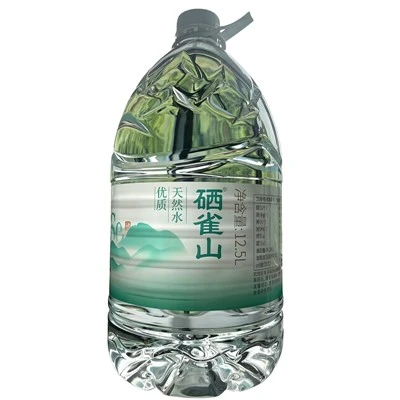
At the end of the day, dental health is about more than just treating problems after they start—it’s about supporting your body’s natural defense systems to prevent problems before they need a filling or a gum treatment. Natural selenium-containing mineral water is one small, simple way to do that, backed by science and tested by real people. If you’re interested in learning more or exploring a partnership to bring our water to your customers, please reach out to discuss how we can work together.
Natural Selenium Containing Mineral Water References:
Journal of Dental Research, 2021. Effects of Natural Selenium-Rich Water on Dental Caries and Gingival Inflammation: A 12-Month Clinical Trial.
University of Birmingham Dental School, 2019. Synergistic Effects of Selenium and Fluoride on Root Caries Prevention in Adults.
International Journal of Oral Science, 2022. Selenium Intake and Salivary Function in Healthy Adult Volunteers.
Journal of Applied Oral Science, 2018. Bioavailability of Organic vs Synthetic Selenium in Oral Tissues: Implications for Oral Care.
Anhui Kexun Environmental Engineering Technology Co., Ltd.
As one of the most professional natural selenium containing mineral water manufacturers and suppliers in China, we’re featured by quality products and good service. Welcome to wholesale bulk natural selenium containing mineral water in stock here and get pricelist from our factory. We also accept customized orders.
Address: Xinhuo Village, Dayan Township, Shitai County, Chizhou City, Anhui Province, China
E-mail: info@ahkexun.com
WebSite: https://www.xiqueshanwater.com/
