If you’ve ever walked into a home decor store and paused in front of a shelf of art glass ornaments, you know they’re more than just trinkets—they’re tiny, hand-blown stories, each with subtle color shifts and intricate details that catch light in ways that feel almost magical. As someone who’s spent years creating and supplying art glass ornaments, I’ve seen firsthand how even the most beautiful pieces can fall flat if displayed poorly. It’s not just about shoving them on a shelf; it’s about letting their glass, color, and form shine. Over the years, I’ve tested dozens of display methods, talked to interior designers and casual collectors alike, and learned what works (and what definitely doesn’t). Below, I’m breaking down practical, science-backed ways to display art glass ornaments, all tailored to how we design and craft our pieces. Art Glass Ornament

First, let’s start with the basics: light is non-negotiable. Art glass lives and dies by light. When glass is hit with the right kind of illumination, its internal patterns, like the swirled copper in our seasonal snowflakes or the bubbled texture of our abstract gourds, come to life. The wrong light? It washes out colors, creates harsh glare, or casts unflattering shadows that hide the work’s detail. I once had a customer who bought a dozen of our hand-blown suncatchers and kept them in a dark corner of their living room; they emailed six months later saying they’d never even noticed the iridescent edges. That stuck with me. What kind of light works best? For most ornaments, soft, diffused light is ideal. Avoid direct overhead incandescent bulbs—they’re too hot and can actually discolor delicate glass over time. Instead, opt for cool white LED bulbs (2700K to 3000K is perfect; it mimics natural daylight without the harshness) placed at a 45-degree angle above or to the side of the ornament. This angle minimizes glare and creates a soft highlight that makes the glass’s texture pop. For smaller pieces, like our mini glass berries or teardrop ornaments, a track light with a small, adjustable head works great—you can angle it just right without overpowering the space. If you’re displaying ornaments on a mantel or entryway table, a small, low-profile table lamp with a linen shade will also do the trick; the shade filters the light so it doesn’t create harsh reflections on the glass. Pro tip: Never display art glass near a window with unfiltered, direct sunlight. The UV rays can fade the glass’s color over time, and the intense light can make it hard to see the ornament’s true design. I learned this the hard way when a batch of our hand-painted glass eggs lost their vibrant cobalt hue after a month on a sun-dappled windowsill. A sheer curtain that diffuses sunlight works if you love window displays, but keep the ornaments at least a foot back from the glass to avoid heat damage too.
Next, consider scale and grouping. Art glass ornaments come in all shapes and sizes—from 1-inch mini charms to 12-inch statement pieces—and how you arrange them can make a small space feel intentional or cluttered. I’ve seen people try to cram 15 large ornaments onto a 2-foot mantel, and the result is overwhelming; each piece competes for attention, and none stand out. Instead, follow the “rule of three” for small to medium collections: group ornaments in odd numbers (3, 5, 7) and vary their heights. For example, on a entryway console, place a medium abstract glass sphere in the center, a slightly taller leaf-shaped ornament to the left, and a smaller teardrop to the right. This creates a natural, balanced flow without feeling staged. For larger statement pieces, like our 10-inch hand-blown glass poinsettias, give them room to breathe. A single large ornament on a dining table’s centerpiece, surrounded by a few smaller glass petals or dried eucalyptus, is way more impactful than pairing it with another 10-inch piece. Scale also matters in small spaces: if you live in a studio apartment, skip large floor ornaments entirely. Instead, lean into mini ornaments grouped on floating shelves or hung in a window—they add charm without overwhelming the space. I worked with a renter in Brooklyn last year who turned a 2-foot square window nook into a display for 8 of our mini glass icicles, hung from a clear fishing line at varying lengths. It was the first thing you saw when you walked in, and it didn’t crowd the small space at all.
Then there’s where to place them in your home’s layout. The best spot for art glass ornaments is a place where people will pause—not a hallway corner where no one walks, or a high shelf where you can’t see the details. Entryways and living rooms are obvious choices, but don’t overlook bathrooms or bedrooms. A small ornament on a bathroom vanity, placed near a mirror so the light bounces off it, adds a quiet, elegant touch. I’ve also had customers display our glass ornaments on bookshelves, but with a quick tip: place them between books with neutral spines. A bright red ornament between two navy or gray books will stand out, but putting it next to a colorful picture book will make it blend in. Another spot I love: on top of a kitchen cabinet. The height is subtle, but when you open the cabinet door, the light inside hits the glass, and it catches your eye. Just make sure it’s not in a spot where someone could knock it over easily—glass is fragile, after all. Speaking of fragility, display surfaces matter too. Avoid glass or highly reflective surfaces under or around ornaments. If you put a glass sphere on a glass table, the reflection will make it hard to see the actual detail of the ornament. Instead, use a non-slip mat or a soft felt pad under each piece. We sell small felt discs in our display kits for this exact reason—they prevent scratches on both the ornament and the surface, and keep small pieces from sliding if someone bumps the table. For hanging ornaments—whether they’re Christmas decorations or year-round suncatchers—use clear, low-profile hooks. Command hooks work great for walls or windows; they’re easy to remove without damaging paint, and clear so they don’t distract from the glass. I’ve seen people use fancy gold hooks that clash with delicate pastel ornaments, so sticking to clear or matching the hook’s color to the ornament’s base is a safe bet.
Now, let’s talk about seasonal and year-round displays. One of the things I love most about art glass ornaments is that they’re not just for Christmas trees—they work all year. For winter, lean into cool colors: blues, silvers, clear glass, and subtle iridescents. Group a mix of small glass snowflakes, frost-shaped teardrops, and a larger glass snowman on a mantel, and add a string of warm white fairy lights behind them to make them glow. For spring, switch pastels: soft pinks, mint greens, and pale yellows. Our hand-blown glass eggs and cherry blossom ornaments look amazing hung in a kitchen window, where sunlight filters through them like stained glass. For summer, go bright and bold: tropical colors like coral, turquoise, and deep purple. A group of our small glass palm leaves or pineapple ornaments on a patio side table will look cheerful, even on cloudy days. For fall, rich earth tones—amber, rust, deep green, and brown. Our glass pumpkins and maple leaves look stunning on a dining table centerpiece, paired with real fall leaves or candles. The key with seasonal displays is to swap out a few pieces, not the entire collection. If you have a few versatile ornaments that fit multiple seasons (like clear glass spheres or simple teardrops), you can refresh your display without buying new pieces every few months. That’s what makes art glass ornaments a great investment—they adapt to your space, not the other way around.
I also want to address common mistakes I see people make when displaying art glass. The biggest one is overcrowding. I get it—you have a whole collection you want to show off, but too many pieces in one spot make the display feel messy, not curated. If you have a lot of ornaments, spread them out. Put a few on the living room mantel, a few on the bedroom vanity, and a couple in the entryway. That way, each piece gets its own moment. Another mistake is using too much color contrast. If you have an ornament with a lot of intricate color patterns, like our swirled glass kaleidoscopes, pair it with a neutral background. A black shelf or a white table will let the glass’s colors shine, instead of competing with a busy patterned rug or colorful wall art. And don’t forget to clean your ornaments regularly. Dust can build up on glass and make it look dull. Wipe them with a soft, lint-free cloth once a month—avoid paper towels, which can scratch the glass. If there’s a stubborn smudge, a tiny bit of mild dish soap and warm water works, just make sure to dry it completely before putting it back on display.
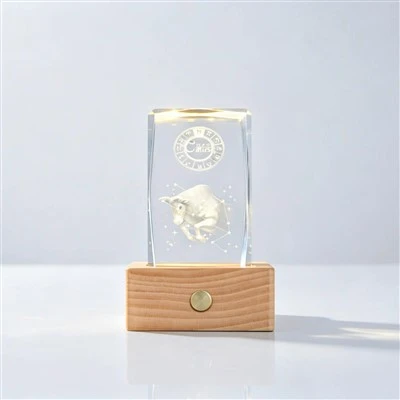
As a supplier, I’ve spent years perfecting how our art glass ornaments are made, because I know their true beauty comes from being seen. Whether you’re a collector looking to build a display, a home decorator trying to add a personal touch, or a business looking to showcase our pieces in a retail space, these tips will help your ornaments look their best. If you’re interested in sourcing art glass ornaments for your home, boutique, or seasonal shop, we offer custom display kits, bulk orders, and guidance tailored to your space. We work with everyone from small interior design studios to large retail chains, and we know how to create displays that highlight the unique artistry of each hand-blown piece. Don’t let your beautiful ornaments gather dust in a box—let them catch the light, tell their story, and become a focal point of your space. Reach out to our team today to discuss your display needs, whether you’re just starting out or looking to expand your collection. We’re here to help make your art glass ornaments shine.
3D Laser Engraved Crystals References
- American Glass Society. (2022). "Lighting and Display for Decorative Glass: Best Practices for Preserving and Showcasing Artistic Pieces." Glass Art Journal.
- Interior Design Association. (2021). "Curating Small Collections: The Rule of Odd Numbers and Scale in Home Decor." IDA Practice Guide.
- National Home Decor and Lifestyle Association. (2023). "Preserving Glass Ornaments: UV Protection and Surface Care Guidelines for Long-Term Display." Home Trends Research Quarterly.
- Glass Art Sellers Network. (2020). "Display Solutions for Art Glass: Tips for Retail and Residential Spaces." Art Glass Business Journal.
Yiwu Meiyinbao Import & Export Co., Ltd.
Yiwu Meiyinbao Import & Export Co., Ltd. is one of the most experienced art glass ornament manufacturers and suppliers in China, also supports customized service. We warmly welcome you to wholesale bulk cheap art glass ornament from our factory. If you have any enquiry about free sample, please feel free to email us.
Address: Longhui Village Zone 1 Choujiang Subdistrict Yiwu City Zhejiang Province China
E-mail: sales@yiwuhonestal.com
WebSite: https://www.yiwucrystal.com/
