Maintaining a multistage pump properly is the single most effective way to extend its lifespan—and as a supplier who’s worked with these pumps in industrial, municipal, and commercial settings for over a decade, I’ve seen firsthand how small, consistent habits prevent costly breakdowns. Multistage pumps, unlike single-stage units, rely on stacked impellers to build pressure, which means even a minor issue with one component can ripple through the entire system, leading to premature wear, reduced efficiency, and unexpected downtime. When a pump fails unexpectedly, it’s not just the cost of repairs; it’s the lost production time, the overtime labor to fix it quickly, and the strain on your team. That’s why I’ve put together this practical, science-backed guide to maintaining your multistage pump to keep it running reliably for years. Multistage Pump

First, start with the basics: pre-installation checks that set the foundation for long life. Many people think maintenance starts after the pump is running, but the right groundwork eliminates 80% of avoidable failures. First, verify the system’s operating parameters match the pump’s design specs. Multistage pumps are engineered for a specific flow rate, head pressure, and fluid viscosity—running them outside those limits puts excessive stress on impellers, shafts, and seals. For example, if you install a multistage pump designed for clear water to handle thick, abrasive slurry, the impellers will wear down in months instead of years because they’re moving a denser fluid that requires more power. I’ve had customers who did this, and their pump failed three times in a year; after we adjusted the application to a pump rated for slurry, those failures stopped. Also, ensure the suction and discharge piping is correctly sized and aligned. Misaligned piping is a top cause of shaft damage: if the pipes pull on the pump’s flanges, it creates uneven stress on the shaft, leading to bent shafts or worn bearings over time. Use pipe clamps to support the piping, not the pump itself, and check alignment with a dial indicator before starting the system for the first time. Another often-overlooked pre-install step is flushing the piping to remove debris before connecting the pump. Leftover welding slag, rust scale, or pipe chips can enter the pump during first startup and scratch impellers, score seals, or clog clearance gaps—leading to reduced efficiency and early component failure.
Once the pump is operational, implement a routine inspection schedule that breaks down into daily, weekly, monthly, and quarterly tasks. Daily checks are quick and should take less than five minutes: monitor the pump’s pressure gauge, amperage draw, and temperature. Abnormal pressure spikes or drops can signal a clogged suction line, worn impeller, or leaky seal—all of which need attention before they escalate. Unusual vibration or noise is another key daily check; multistage pumps that run smoothly will have consistent, low-level noise, so grinding, rattling, or high-pitched whines are red flags that can mean unbalanced impellers, worn bearings, or cavitation. Cavitation is a critical issue many operators miss: it happens when low suction pressure causes vapor bubbles to form in the fluid, which then collapse violently when they reach higher pressure zones. These collapses erode impellers and casings over time, leaving pitting that can ruin the pump’s performance. To prevent cavitation, ensure the suction line is free of restrictions (like closed valves or clogged filters) and that the net positive suction head available (NPSHa) meets or exceeds the pump’s net positive suction head required (NPSHr). I’ve seen cavitation destroy a brand-new multistage pump in just three months because the suction line was too long and had a partial blockage—adjusting the line and increasing suction pressure fixed the issue.
Weekly inspections should dive a bit deeper: check the seal flush system (if your pump uses one), lubricant levels, and any visible leaks. Mechanical seals, the most common type on multistage pumps, rely on a clean, cool flush to prevent overheating and wear. If the flush flow is too low, the seal will run dry, leading to rapid failure; if it’s too high, it can wash away the lubricant for the seal faces. For packed glands, adjust the packing to allow a small amount of fluid leakage (usually a few drops per minute) to lubricate the shaft—too little leakage causes friction and wear, too much wastes fluid and can damage the shaft. Lubricant is another critical component: bearings in multistage pumps depend on the right type and amount of oil or grease to reduce friction. For oil-lubricated bearings, check the level weekly to ensure it’s at the recommended mark; overfilling causes foaming, which reduces lubrication, while underfilling leads to metal-on-metal contact. For grease-lubricated units, follow the manufacturer’s grease interval—over-greasing is a common mistake that causes heat buildup and bearing failure. I’ve had customers over-grease their pump bearings to “make them last longer,” and the bearings seized up within a month, costing far more than the extra grease would have.
Monthly and quarterly maintenance tasks are the more involved steps that keep internal components in shape. Every month, inspect the coupling between the pump and motor to ensure it’s aligned and has proper clearance. Flexible couplings absorb minor misalignment, but if they’re worn or misaligned, they transfer stress to the pump’s shaft. Also, check the motor’s alignment regularly with a straightedge or laser alignment tool—misalignment causes premature bearing and seal wear. Every quarter, perform a more thorough check of the impeller and casing if the pump is in continuous operation. Shut down the pump, lock out/tag out the power, and remove the casing cover to inspect impellers for wear, corrosion, or debris buildup. Small amounts of debris on impellers can unbalance the rotor, causing vibration and bearing damage—cleaning impellers periodically keeps the pump running efficiently. Also, check the casing for erosion or corrosion, especially if the fluid is corrosive or abrasive. If you notice pitting on the impellers or casing, it’s a sign that the pump is working under harsh conditions and may need more frequent cleaning or a corrosion-resistant coating.
When it comes to wear parts, proactive replacement is better than reactive repair. Multistage pumps have several consumable parts that wear over time, and replacing them before they fail extends the pump’s life and prevents damage to other components. Seals are one of the most common wear parts: mechanical seals typically last 12 to 18 months in normal operation, but in harsh conditions (abrasive fluid, high pressure), they may need replacement every 6 to 12 months. Bearings usually last 2 to 5 years, but if you notice increased vibration or heat, replace them immediately rather than waiting for them to seize. Impellers, while more durable, can wear unevenly over time, reducing the pump’s efficiency. A multistage pump’s efficiency drops by about 10% when impellers wear by just 1 mm, so checking impeller clearances annually and replacing them when clearance exceeds the manufacturer’s limit is a smart investment. I recommend using genuine OEM parts for replacements, not generic alternatives. While cheap parts may seem like a good deal upfront, they’re often made with lower-quality materials that don’t match the pump’s design, leading to faster wear and more breakdowns. For example, a generic seal for a multistage pump may fit, but it won’t have the same face material (like silicon carbide) that resists abrasion, so it will wear out in half the time of an OEM seal.
Another key maintenance step is fluid management. The fluid being pumped has a huge impact on the pump’s lifespan. If you’re pumping clear water, check for hardness, minerals, or sediment that can build up on impellers and casings. For water with high mineral content, use a water treatment system to reduce scaling—scaling on impellers reduces flow and increases pressure, putting stress on the pump. For abrasive fluids like slurry or wastewater with solids, install a strainer on the suction line to capture large solids, and schedule more frequent impeller cleaning. Also, ensure the fluid is compatible with the pump’s materials. If you’re pumping a corrosive chemical, make sure the impeller and casing are made from corrosion-resistant materials like stainless steel or bronze—using a cast iron pump for corrosive fluid will lead to rapid casing corrosion and pump failure. I once worked with a food processing plant that used a standard cast iron multistage pump for acidic cleaning solution; the casing corroded through in just two months, leading to a leak that shut down their entire processing line. Switching to a 316 stainless steel pump solved the issue, and it’s run reliably for five years.
Don’t overlook the electrical and control systems either, as they play a big role in pump life. A pump that runs with incorrect voltage or frequency will draw excess amperage, leading to overheating and motor damage. Periodically check the motor’s voltage with a multimeter to ensure it matches the nameplate rating—voltage that’s too low or too high can shorten the motor’s life by 50% or more. Also, inspect the wiring for damage, loose connections, or corrosion, especially in outdoor or wet environments. Control systems, like pressure switches or variable frequency drives (VFDs), help regulate the pump’s operation to match demand, reducing stress. If your pump is running at full capacity 24/7 when only 50% is needed, a VFD can reduce the speed, lowering power consumption and extending component life. I’ve seen a customer replace a fixed-speed pump with a VFD and reduce their pump’s wear by 40% because it only runs at the speed needed for the current flow.
Finally, keep detailed maintenance records. It’s easy to forget when you last changed the oil or inspected the impellers, but detailed records help you spot patterns—like if seals always fail after 12 months, or bearings wear out faster in summer when temperatures are higher. Records also make it easier to troubleshoot problems when they arise: if the pump starts vibrating, you can look back at your last alignment check, impeller inspection, and seal replacement to narrow down the issue. I’ve seen customers use maintenance records to schedule proactive replacements instead of reactive repairs, which saves thousands in downtime and repair costs.
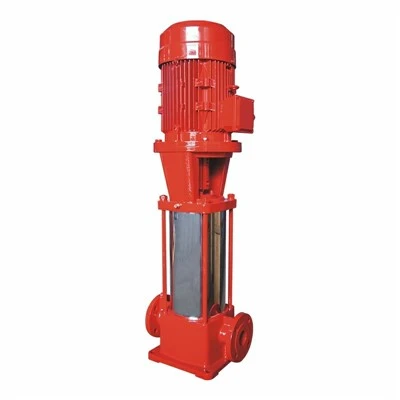
Maintaining a multistage pump isn’t just about fixing problems when they occur—it’s about preventing them before they start. By following these consistent, science-backed steps, you can extend your pump’s lifespan by 50% or more, avoid costly downtime, and keep your operations running smoothly. Every small check, every proactive replacement, and every adjustment to operating parameters adds up to a pump that works reliably for years. If you’re looking for a multistage pump tailored to your application, or need guidance on maintaining your existing unit, feel free to reach out to our team to discuss your needs and find the right solution for your operation.
Positive Displacement Pump References:
- Hydraulic Institute. (2021). Pump Maintenance and Reliability Guidelines. Hydraulic Institute Standards.
- American Petroleum Institute. (2019). Standard 610: Centrifugal Pumps for Petroleum, Petrochemical and Natural Gas Industries. API Publishing Services.
- Karassik, I. J., Messina, J. P., Cooper, P., & Heald, C. C. (2007). Pump Handbook (4th ed.). McGraw-Hill Professional.
- Fluid Handling Society. (2020). Multistage Pump Operation and Maintenance Best Practices. Fluid Handling Industry Report.
- National Pump Association. (2018). Maintenance Procedures for Industrial Centrifugal Pumps. NPA Technical Bulletin.
Zhejiang Kaicheng Pump Valve Co., Ltd.
Zhejiang Kaicheng Pump Valve Co., Ltd. is one of the most professional multistage pump manufacturers and suppliers in China, also supports customized service. We warmly welcome you to buy advanced multistage pump made in China here and get quotation from our factory. For price consultation, contact us.
Address: No.501 Zhangbao North Road, Dong ou Industrial Park, Oubei town, Yongjia, Zhejiang Province, China
E-mail: sales@cnkcmp.com
WebSite: https://www.kcmpumps.com/
