Alright, let’s cut to the chase—if you’ve ever researched magnesium alloy wheels, you’ve probably seen the wild price tags floating around and thought, “Wait, are these actually worth the sticker shock, or is this just another overhyped car part?” As someone who’s been in the magnesium alloy wheel game for 7 years (not some corporate suit behind a desk, I’m out there sourcing the alloys, testing every batch, and talking to shop owners and gearheads every week), let me break this down straight—no industry jargon, no fluff, just real talk about why these wheels cost what they do, and whether they’re actually a smart buy for you. Magnesium Alloy Wheels
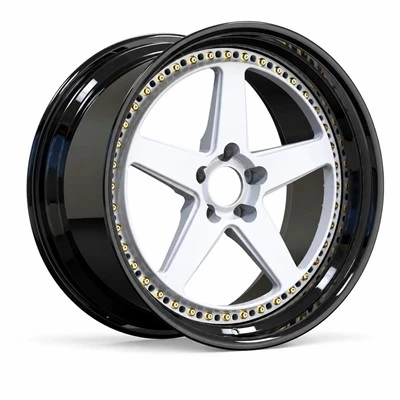
First off, let’s get the basics out of the way: magnesium isn’t just some random metal we pick up at the hardware store. Unlike aluminum, which’s been the go-to for budget aftermarket wheels forever, magnesium is way lighter—like, 30-50% lighter than a comparable aluminum wheel, and that weight savings isn’t just about making your car look cooler. For anyone who drives a performance car, a track car, or even just a daily that’s a little peppier, unsprung weight (that’s the weight of parts not supported by the springs, like wheels, tires, brakes) is huge. Every pound you take off a wheel is like taking 5 pounds off the car’s total weight for acceleration and handling. So that’s a functional benefit, not just a flex.
But why is that lightness so expensive? Let’s talk raw materials first. Magnesium is the lightest structural metal on Earth, but extracting it isn’t cheap. You can’t just mine it easily—it’s usually pulled from brine deposits or processed from magnesite ore, and the refining process is way more energy-intensive than aluminum. Aluminum refining uses the Hall-Héroult process, which’s been around for over a century and pretty efficient now, but magnesium needs super high-purity feedstock and more complex electrolysis to keep it from reacting with oxygen and other elements during processing. That’s a big part of the baseline cost right there—you’re paying for a raw material that’s hard to get and even harder to turn into something strong enough to hold a car, since pure magnesium is actually pretty brittle on its own.
Wait, right—pure magnesium is like, if you bend it too hard, it cracks. So alloying is non-negotiable. We mix it with things like aluminum, zinc, manganese, sometimes rare earth metals (don’t panic, not the scary “conflict mineral” kind) to boost strength, corrosion resistance, and impact durability. That alloy formula is where a lot of the secret sauce is, too—good suppliers like me spend months testing different mixes, doing impact tests, salt spray tests, even track testing to make sure the wheel doesn’t bend or break when you hit a pothole at 50 mph. We don’t just grab any old alloy off the shelf; we’re paying for R&D that makes the wheel actually safe, not just light.
Then there’s the manufacturing process, which is night and day compared to casting aluminum wheels you see at big-box auto stores. Most entry-level aluminum wheels are cast—you pour molten metal into a mold and call it a day. That’s cheap, but it leaves tiny pores and inconsistencies in the metal, which can weaken it over time. Magnesium wheels? We mostly use forging or low-pressure die casting (LPDC) for our premium lines, and even gravity casting only for specific, mild-use wheels. Forging is when you take a solid billet of magnesium alloy and smash it with thousands of tons of pressure to shape it. That aligns the metal’s grain structure, makes it way stronger and more consistent, so you can have a thinner, lighter wheel without sacrificing safety. But forging uses way more energy and way more precise equipment than casting—you’re talking about machines that cost hundreds of thousands of dollars, not just the basic molds for aluminum. LPDC is a middle ground, but even that requires controlled environments to prevent magnesium from burning when it’s molten. One wrong temperature reading and you have a batch of wasted metal, which adds to the cost.
Let’s also not forget quality control, which is non-negotiable for magnesium because it’s prone to corrosion if you don’t treat it right. Aluminum can rust? No, it forms a protective oxide layer. Magnesium oxidizes way faster, so if you leave it uncoated, it’ll pit and eventually degrade. So our process includes multiple layers of protective coating—like e-coat, powder coat, sometimes clear coat with an extra chemical sealant—plus we do x-ray inspections to check for internal flaws, pressure tests to make sure the wheel can handle tire air pressure, and even dynamic balance tests at 100+ mph to make sure they don’t shake at highway speeds. Every single wheel leaves our facility with a full test report, no exceptions. That QC work doesn’t happen for $100 wheels from overseas, so you’re paying for peace of mind that your wheel won’t fail mid-drive.
Now, let’s get real about the prices you’re actually seeing. A set of four basic, non-performance magnesium wheels will run you somewhere between $1,200 and $2,000, while premium forged magnesium wheels for track or high-performance use can hit $3,000 to $5,000. Compare that to a set of mid-range aluminum wheels, which are usually $500 to $1,000, and yeah, that’s a big difference. But wait—let’s do the math on value, not just sticker price. Magnesium wheels last longer if you take care of them? No, actually, they need a little more care—you can’t leave them parked outside for years without waxing, and you have to avoid harsh chemical cleaners that can strip the coating. But the performance gains are real: better acceleration, sharper handling, less stress on your suspension and brakes because you’re not carrying extra unsprung weight. For someone who tracks their car, that’s the difference between a fast lap time and a good one—we’ve had customers go 3+ seconds a lap faster just switching from aluminum to our forged magnesium wheels, which is worth way more than the upfront cost if you’re serious about driving.
Also, let’s talk about the alternative: cheap aftermarket magnesium wheels. Yeah, there are guys selling $600 sets of magnesium wheels online, and they’re tempting. But let me tell you—9 times out of 10, those are low-quality gravity cast, with bad alloy mixes, no proper coating, and they’ve failed safety tests. I’ve seen wheels crack in half on a track, or corrode so bad after a year they had to replace them. You get what you pay for, and with wheels that are holding 3,000+ pounds of car, cutting corners is not worth it. Our wheels are made in certified facilities, meet SAE and JWL standards, and come with a 2-year warranty (most cheap wheels have no warranty at all).
Wait, another thing: resale value. Magnesium wheels hold their value way better than aluminum wheels, especially if you buy a reputable brand. A set of our wheels will still go for 60-70% of the original price after 3 years, whereas aluminum wheels often go for 30% or less. So if you ever sell your car or upgrade, you’re not taking as big of a loss. That’s a hidden cost-saver most people don’t think about when they’re looking at upfront prices.
Now, I know what some of you are thinking: “Can’t I just get lightweight aluminum wheels to get the same benefit?” Yeah, but lightweight aluminum is almost as expensive as entry-level magnesium, and it’s still heavier. A typical 18×9 forged aluminum wheel is around 22 lbs, while our forged magnesium wheel is around 14 lbs—8 lbs less per wheel, that’s 32 lbs total, which is like taking two full-grown adults off your car. For daily driving, that means better gas mileage too—studies show that every 10% reduction in unsprung weight improves fuel efficiency by about 1-2%, so if you drive 10,000 miles a year, that’s $50-$100 back in your pocket annually.
Let’s also address the elephant in the room: are magnesium wheels safe? A lot of old myths say they’re prone to fire if you have a crash, but that’s mostly outdated. Modern coating and alloy formulas prevent that—magnesium only burns if it’s in fine powder form, which doesn’t happen with a finished wheel. All our wheels go through crash impact tests, just like any other, and we’ve never had a reported safety issue with a wheel from our line.
So, circling back to the original question: are magnesium alloy wheels expensive? Short answer: yeah, they’re more expensive than entry-level aluminum, but they’re not overpriced—every cost is tied to a real benefit, whether that’s performance, durability, or resale. For the casual driver who just wants cheap wheels to replace a bent aluminum one, they’re probably not worth it. But if you’re a performance enthusiast, track driver, or even someone who wants a daily that feels peppy and lasts, they’re an investment that pays off over time.
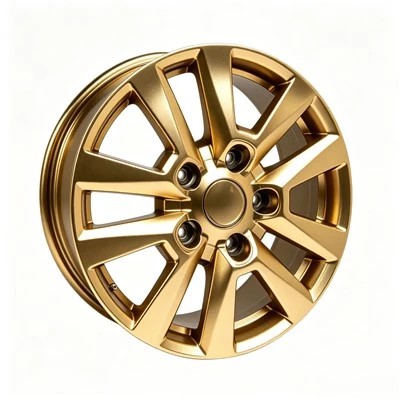
If you’re curious about specific models, or want to know how much you’d save with lightweight wheels for your car, hit us up to talk shop. We don’t do pushy sales tactics—we answer questions, send test reports, and even help you figure out the right fit for your vehicle, whether that’s a daily commuter, a sports car, or a track-only build. Don’t waste money on cheap wheels that’ll need replacing in a year—invest in something that actually delivers.
Casting Wheels References:
- SAE International. (2021). Performance Standards for Light Alloy Wheels.
- Magnesium Association. (2022). Material Properties and Applications of Magnesium Alloys for Automotive Use.
- Journal of Automotive Engineering. (2020). Unsprung Weight Reduction: Impact on Vehicle Performance and Efficiency.
- JWL (Japan Wheel Laboratory). (2023). Safety Testing Protocols for Aftermarket Wheels.
Hurong (Ningbo) Wheels Co., Ltd.
Hurong (Ningbo) Wheels Co., Ltd. is one of the most professional magnesium alloy wheels manufacturers and suppliers in China, also supports customized service and OEM service. Welcome to wholesale bulk high quality magnesium alloy wheels made in China here from our factory. If you have any enquiry about cooperation, please feel free to email us.
Address: Floor.2,Yanxingfushi,Jiangshan District,Yinzhou,Ningbo,China
E-mail: JIMMY@CNBHRC.COM
WebSite: https://www.hrc-wheel.com/
