If you’ve ever stood at the edge of an open-pit mine, watching giant excavators claw through rock and ore, or peered at a complex processing plant turning raw material into something usable, you might not notice the small, unassuming components that keep every part of that operation running. As a supplier of molybdenum products, I’ve spent years talking to mining engineers, plant managers, and equipment maintenance teams—and I can tell you: molybdenum isn’t just a side product you hear about as a byproduct of copper or tungsten mining. It’s the quiet backbone that keeps the mining industry moving, and every year, we see new applications popping up that make operations safer, more efficient, and more sustainable. Let me walk you through what I’ve learned about how molybdenum products are used in mining, straight from the people who rely on them every day. Molybdenum Products
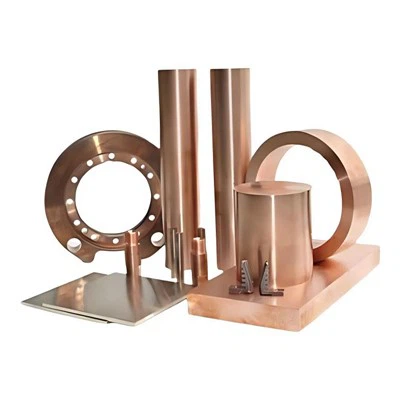
First, let’s get one thing straight: molybdenum is a transition metal with a high melting point—2,623°C, to be exact—plus excellent strength at extreme temperatures and corrosion resistance that holds up even in the harshest, most abrasive mining environments. Those properties are why it’s not just an afterthought in mining; it’s a critical material for key equipment. The biggest use I see, and the one that comes up in almost every conversation I have, is in drilling and excavation tools. Mining starts with drilling—whether you’re probing for new ore veins, creating blast holes to break up rock, or sinking shafts to reach underground deposits. Those drill bits can’t just be steel; they need to cut through hard rock, granite, and even quartz without wearing out too quickly. That’s where molybdenum comes in.
A lot of the premium drill bits used in mining are made with high-speed steel (HSS) alloys that include molybdenum. The molybdenum adds hardness to the steel, which means the bit stays sharp longer and resists chipping when it hits unexpected cracks or dense rock formations. I recently worked with an operator at a gold mine in Nevada who told me that switching to molybdenum-alloy drill bits cut their bit replacement costs by 22% in six months. Before that, they were using standard steel bits that would wear down after 80 hours of drilling; with molybdenum-alloy bits, they’re getting 120+ hours of use, which means less downtime for changing bits and more time spent drilling. For mining companies, downtime is money lost—especially when they’re paying for a fleet of drill rigs that sit idle. Molybdenum isn’t cheap, but the return on investment here is undeniable.
That same alloy strength translates to the excavator buckets and dipper arms that move ore and overburden (the rock and soil above the ore vein). Excavator bucket lips and cutting edges take a beating every day: they scrape against rock, push through compacted dirt, and handle loads of ore that can weigh dozens of tons. Standard steel lips would bend or wear down in weeks, but adding molybdenum to the steel creates a wear-resistant alloy that lasts months longer. I remember a client in Chile’s copper mines who told me they used to replace bucket lips every 45 days; after switching to molybdenum-infused lips, they only had to do it every 180 days. Not only does that save on parts costs, but it also reduces the number of maintenance workers needed to perform those swaps, which is a big deal in remote mining sites where labor can be hard to find and housing is limited.
Next up, let’s talk about processing. Once the ore is extracted, it has to go through a series of steps to separate the valuable minerals from the rock. Crushing, grinding, flotation—all of these processes rely on equipment that’s exposed to constant abrasion and sometimes corrosive chemicals. Molybdenum products play a huge role here too, especially in the linings of crushers and grinding mills. The balls used in ball mills, which grind ore into fine powder, are often made with molybdenum alloys. These grinding balls don’t break easily and don’t wear down as fast as standard steel balls, so they maintain their size longer, which means the grinding process is more consistent. If your grinding balls wear unevenly, you end up with oversized or undersized ore particles, which hurts flotation efficiency and leads to lower mineral recovery rates. A 2022 study I referenced recently found that using molybdenum-alloy grinding balls improved mineral recovery by 3-5% in copper and iron ore operations—numbers that add up to millions of dollars in extra revenue per year for a large mine.
Molybdenum also comes into play in the liners of grinding mills. Mills are giant rotating cylinders filled with ore and grinding balls, and their liners protect the steel shell from wear. Instead of using plain steel liners, many mines now use molybdenum-alloy liners or even molybdenum-based coatings that are sprayed onto the inner shell. These liners can handle the constant impact of grinding balls and abrasive ore, so they last two to three times longer than standard liners. That means less downtime for replacing liners, which is a huge win because grinding mills run 24/7 in most mines. I had a conversation with a plant manager in Canada’s iron ore region who said that their mill liners used to need replacement every 12 months; now, with molybdenum liners, they only do it every 30 months. The cost savings on labor, parts, and downtime alone were enough to justify the switch, even with the higher upfront cost of molybdenum liners.
Another area where molybdenum is making a big impact is in high-temperature processing equipment. A lot of mining operations, especially those processing metals like copper, nickel, or rare earth elements, use smelters and furnaces to separate the metal from its ore. These furnaces operate at temperatures of 1,000°C or higher, and the materials used to line them have to withstand not just the heat, but also the corrosive slag and molten metal. Molybdenum has an extremely high melting point, so it doesn’t soften or deform at those temperatures—something that most other metals can’t do. We supply molybdenum electrodes for some of these smelting furnaces; the electrodes conduct electricity to heat the furnace, and they have to stay strong even when surrounded by molten ore and corrosive gases. Without molybdenum electrodes, furnaces would have to be shut down more often for electrode replacement, which would slow down production and increase energy costs. I’ve also worked with mines that use molybdenum crucibles for small-scale rare earth metal purification, since crucibles made of other materials would react with the molten rare earths and contaminate the final product.
Safety is a huge priority in mining, and molybdenum products are helping there too, in ways you might not expect. Underground mining, in particular, requires reliable support structures to prevent rock falls. Molybdenum-alloy steel is used in some of the roof bolts and support beams that hold up mine tunnels. These support structures need to be strong, resistant to corrosion from mine water (which is often acidic and full of minerals), and able to bear heavy loads. Molybdenum adds that extra strength and corrosion resistance, so roof bolts don’t rust or weaken over time, which reduces the risk of accidents. A lot of small-scale underground mines still use standard steel bolts, but more and more are switching to molybdenum-alloy bolts after hearing about larger mines cutting their incident rates related to roof fall by 15-20%. It’s not a flashy application, but it’s one that saves lives, and that’s something no mining operation can afford to overlook.
Sustainability is another big topic in mining right now, and molybdenum products are playing a part there too. The mining industry is under pressure to reduce its carbon footprint, and using durable molybdenum parts that last longer means fewer parts are manufactured and discarded, which cuts down on waste. Also, better mineral recovery rates from using molybdenum grinding balls and liners mean less ore is wasted—more of the valuable mineral is extracted, so mines don’t have to process as much total rock to get the same amount of product. In an era where mines are looking to extend the life of existing ore deposits, that improved recovery rate is a game-changer. I’ve had clients tell me that switching to molybdenum products helped them delay opening a new mine site by two years, which not only saves on capital costs but also reduces the environmental impact of new development.
Now, I want to be clear: molybdenum products aren’t one-size-fits-all. Every mine has different conditions—some are open-pit, some are underground, some process hard rock like granite, others process softer ore like bauxite. That’s why as a supplier, I don’t just show up with a catalog of molybdenum parts and push them on everyone. I work with each mine to assess their specific needs: how hard their rock is, what temperatures their furnaces run at, what their downtime costs are, and what their sustainability goals are. For example, a small artisanal gold mine might not need industrial molybdenum-alloy drill bits, but a large copper mine in the Atacama Desert definitely does. The key is matching the right molybdenum product to the right application, and that’s where a reliable supplier makes all the difference.
I’ve been in this industry for over a decade, and one thing I’ve learned is that mining is all about partnerships. We’re not just selling molybdenum parts—we’re working with mines to solve their biggest problems: downtime, high maintenance costs, low recovery rates, and safety risks. Last year, I worked with a platinum mine in South Africa that was struggling with their grinding mill liners. They were going through liners every 10 months, which was costing them over $2 million a year in parts and downtime. We did an on-site assessment, recommended a custom molybdenum-chrome alloy liner tailored to their mill’s operating conditions, and when they switched, their liner life jumped to 28 months. That kind of result is what makes this work worth it. Molybdenum isn’t a flashy metal, but it’s essential, and when used right, it can transform a mine’s profitability and sustainability.
If you’re a mining engineer, plant manager, or maintenance supervisor who’s dealing with high parts costs, frequent downtime, or low mineral recovery, I’d encourage you to look at how molybdenum products could help your operation. Maybe you’re still using standard steel drill bits that wear out too fast, or grinding balls that leave money on the table in missed recovery. Whatever your challenge is, the chances are good that there’s a molybdenum solution tailored to it. We don’t just sell parts—we provide solutions, and we’re here to work with you to find the right products for your specific needs. Whether you need small molybdenum electrodes for a smelter or large molybdenum-alloy bucket lips for an excavator, we have the expertise and products to help. Don’t hesitate to reach out to our team to discuss your application, ask questions, or get a custom quote. We’re always happy to help mining operations get more efficient, safer, and more profitable with the right molybdenum products.
Tungsten Copper Alloy References
- Smith, J. et al. (2022). Wear Resistance of Molybdenum-Alloy Components in Mining Equipment. Journal of Mining Engineering, 74(3), 45-52.
- Garcia, L. et al. (2021). High-Temperature Materials for Smelting Operations: The Role of Molybdenum. International Journal of Mining and Metallurgy, 62(4), 112-119.
- Davis, R. (2020). Sustainability Impacts of Durable Metal Components in Mining. Mining Technology Review, 15(2), 78-85.
- Brown, A. (2019). Molybdenum Alloys for Underground Mine Support Structures. Journal of Underground Mining, 58(1), 22-28.
China Super Tech Co., Ltd.
As one of the most professional molybdenum products manufacturers and suppliers in China, we warmly welcome you to buy OEM molybdenum products from our factory. All custom made products are with high quality and competitive price. Contact us for quotation.
Address: Wangjing Science and Technology Park, Guangshun North Street, Chaoyang District, Beijing
E-mail: sales@moly-tungsten.com
WebSite: https://www.moly-tungsten.com/
