In the realm of heavy – lifting and mechanical support, hydraulic jacks play a crucial role. As a supplier of Other Hydraulic Jacks, I’ve witnessed firsthand the diverse needs of our customers, and one of the most frequently asked questions is about the difference between portable and stationary Other Hydraulic Jacks. In this blog, I’ll delve into the characteristics, applications, advantages, and limitations of both types to help you make an informed decision when it comes to your lifting requirements. Other Hydraulic Jack

Design and Structure
Portable Other Hydraulic Jacks are engineered with mobility in mind. They are typically compact and lightweight, featuring a design that allows for easy transportation. The frames are often made of high – strength yet relatively lightweight materials such as aluminum alloys. This not only reduces the overall weight of the jack but also ensures durability. For instance, a portable hydraulic floor jack might have a foldable handle and a low – profile design, enabling it to be stored in a small space, like the trunk of a car.
On the other hand, stationary Other Hydraulic Jacks are built for stability and long – term use in a fixed location. Their structure is more robust and heavy – duty. They usually have a large base and a solid frame, often made of thick steel. This construction provides a stable platform for lifting extremely heavy loads. A stationary hydraulic press, for example, has a massive frame and is firmly anchored to the ground to prevent any movement during operation.
Lifting Capacity
When it comes to lifting capacity, stationary Other Hydraulic Jacks generally have an edge. Due to their robust construction, they can handle much heavier loads compared to portable ones. Stationary hydraulic jacks can lift loads ranging from several tons to hundreds of tons, making them ideal for industrial applications such as shipbuilding, heavy machinery manufacturing, and large – scale construction projects.
Portable Other Hydraulic Jacks, while still capable of significant lifting, are more limited in their capacity. They are designed to handle loads that are more commonly encountered in day – to – day or on – site operations. For example, a typical portable hydraulic bottle jack might have a lifting capacity of 1 – 20 tons, which is suitable for automotive repairs, small – scale construction, and general maintenance work.
Mobility and Installation
As mentioned earlier, the primary advantage of portable Other Hydraulic Jacks is their mobility. They can be easily moved from one location to another, either by hand or with the help of simple tools. This makes them extremely versatile and suitable for applications where the lifting needs to be done at different sites. For a mobile mechanic who needs to work on cars at various locations, a portable hydraulic jack is an essential tool. Installation of portable jacks is also generally straightforward. Most come ready to use, and you only need to place them in the correct position and start the lifting process.
Stationary Other Hydraulic Jacks, however, require a fixed and dedicated installation. They need to be carefully positioned and often bolted to the floor to ensure stability. This installation process is time – consuming and may require the expertise of professionals. Once installed, they are not meant to be moved frequently. For example, a stationary hydraulic lift in a factory is installed in a specific area where it will serve a long – term purpose, such as lifting heavy components during the assembly process.
Applications
The applications of portable and stationary Other Hydraulic Jacks are quite distinct based on their features.
Portable Other Hydraulic Jacks are widely used in automotive repair shops, where mechanics need to lift cars for tire changes, brake repairs, and engine maintenance. They are also popular in construction sites for tasks like lifting small building materials or adjusting the position of equipment. In addition, they are useful for emergency roadside repairs, allowing drivers to lift their vehicles safely in case of a flat tire.
Stationary Other Hydraulic Jacks are mainly used in industrial settings. In manufacturing plants, they are used for pressing operations, such as stamping metal parts, assembling large machinery, and testing the strength of materials. In the mining industry, stationary hydraulic jacks are used to support mine shafts and lift heavy mining equipment. They are also crucial in the aerospace industry for the assembly and maintenance of aircraft components.
Advantages and Disadvantages
Portable Other Hydraulic Jacks offer several advantages. Their portability allows for quick and easy use in various situations. They are also relatively affordable, making them accessible to a wide range of users, from DIY enthusiasts to small – business owners. However, they have some limitations. Their lower lifting capacity may not be sufficient for heavy – duty tasks. Additionally, the lightweight design may make them less stable compared to stationary jacks, especially when lifting large loads.
Stationary Other Hydraulic Jacks provide unmatched stability and high lifting capacity, making them suitable for heavy – industry applications. They are built to last and can withstand continuous use over long periods. Nevertheless, their installation costs are high, both in terms of materials and labor. The lack of mobility also restricts their use to a specific location, which may not be ideal for some applications.
Maintenance and Lifespan
Portable Other Hydraulic Jacks usually require less maintenance compared to stationary ones. Since they are used less frequently and under less strenuous conditions, simple maintenance tasks such as regular cleaning, lubrication of moving parts, and checking the hydraulic fluid level are usually sufficient to keep them in good working condition. Their lifespan is typically around 5 – 10 years, depending on the frequency of use and the quality of the product.
Stationary Other Hydraulic Jacks, given their heavy – duty use and large size, require more comprehensive maintenance. This includes regular inspection of the hydraulic system, checking for leaks, and replacing worn – out parts. Due to their high – quality construction and robust design, they can last for 15 – 20 years or even longer with proper maintenance.
Cost Considerations
In terms of cost, portable Other Hydraulic Jacks are generally more budget – friendly. Their lower manufacturing costs, mainly due to the use of lighter materials and simpler designs, are reflected in their price. This makes them an attractive option for users with limited budgets or those who only need to perform occasional lifting tasks.
Stationary Other Hydraulic Jacks, on the other hand, are more expensive. The cost includes not only the price of the jack itself but also the installation costs, which can be substantial. However, considering their long – term use and high performance, the investment can be justified for industrial users who require heavy – lifting capabilities on a regular basis.
Conclusion
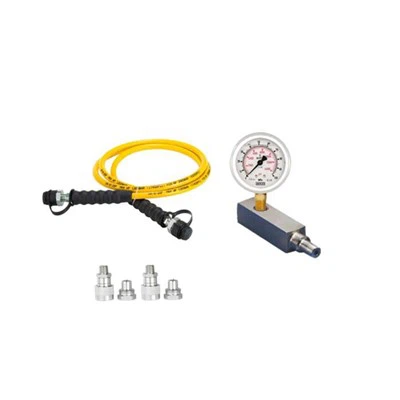
In conclusion, the choice between portable and stationary Other Hydraulic Jacks depends on your specific needs. If you need a versatile tool for on – the – go lifting tasks with a relatively lower load requirement, a portable hydraulic jack is the way to go. On the other hand, if you are in an industrial setting where heavy loads need to be lifted regularly and stability is of utmost importance, a stationary hydraulic jack is the better option.
Air Hydraulic Pump As a supplier of Other Hydraulic Jacks, we understand the unique requirements of each customer. We offer a wide range of portable and stationary hydraulic jacks to meet your diverse needs. Whether you’re a small – business owner, a professional mechanic, or an industrial giant, we have the right solution for you. If you’re interested in learning more about our products or would like to discuss your specific lifting needs, please don’t hesitate to contact us for a procurement discussion. We’re committed to providing you with the best – quality hydraulic jacks and excellent customer service.
References
- "Hydraulic Jacks: Principles and Applications" – A technical handbook on hydraulic jack technology.
- Industry reports on the use of hydraulic jacks in automotive, construction, and manufacturing sectors.
- Product manuals of various portable and stationary Other Hydraulic Jacks.
Taizhou Galaxy Machinery Co., Ltd.
Taizhou Galaxy Machinery Co., Ltd. is one of the leading other hydraulic jack manufacturers and suppliers in China. We warmly welcome you to wholesale cheap other hydraulic jack for sale here from our factory. Good service and reasonable price are available.
Address: 18 Jiulong Road, Jiulong Town, Hailing District, Taizhou City, Jiangsu Province,China
E-mail: sales03@galaxy-machinery.com
WebSite: https://www.galaxy-machinery.com/
