Hey there! As a supplier of ring die pellet machines, I’m often asked about how to control the surface roughness of the ring die in these machines. It’s a crucial aspect that can significantly impact the performance and efficiency of the pellet production process. So, let’s dive right in and explore some ways to manage this effectively. Ring Die Pellet Machine

First off, let’s understand why the surface roughness of the ring die matters. The ring die is a key component in a pellet machine. It has holes through which the raw material is forced under high pressure to form pellets. The surface roughness affects the flow of the material through the die. If the surface is too rough, it can cause excessive friction. This friction not only makes it harder for the material to pass through but also generates more heat. Excessive heat can lead to problems like pellet breakage and a decrease in the quality of the final product. On the other hand, if the surface is too smooth, the material might not grip the die properly, and the pelleting process can become inconsistent.
Now, let’s talk about the manufacturing process. The way the ring die is made plays a huge role in determining its surface roughness. When we fabricate the ring die, we use different machining methods. For instance, turning is one of the common processes. In turning, a cutting tool removes material from the outer surface of the die. The feed rate and the cutting speed during turning can affect the surface finish. A higher feed rate might result in a rougher surface, while a slower feed rate can give a smoother finish. We also need to pay attention to the sharpness of the cutting tool. A dull tool can leave a rough surface on the die.
After turning, we often use grinding to further refine the surface. Grinding is a process where an abrasive wheel is used to remove small amounts of material from the die. The grit size of the grinding wheel is a critical factor here. A coarser grit will remove material more quickly but will also leave a rougher surface. A finer grit, on the other hand, will take longer to remove material but will result in a smoother finish. We usually start with a coarser grit to remove the bulk of the material and then switch to a finer grit for the final finishing touches.
Another important step in the manufacturing process is heat treatment. Heat treatment is used to improve the hardness and durability of the ring die. However, it can also affect the surface roughness. During heat treatment, the die is heated to high temperatures and then cooled at a specific rate. If the cooling process is not controlled properly, it can cause the surface to warp or develop cracks, which will increase the surface roughness. So, we need to make sure that the heat treatment process is carried out precisely, following strict temperature and cooling rate guidelines.
Once the ring die is manufactured, we need to maintain its surface roughness during use. One of the main factors that can affect the surface roughness during operation is the type of raw material used. Different raw materials have different abrasive properties. For example, materials like wood chips are relatively less abrasive, while agricultural residues with high silica content can be quite abrasive. When using abrasive raw materials, they can gradually wear down the surface of the ring die, increasing its roughness over time.
To deal with this, we need to select the right type of ring die material based on the raw material we’ll be using. Some ring die materials are more resistant to abrasion than others. For example, die made from high – chrome alloy steel is known for its good abrasion resistance. This type of die can maintain its surface roughness for a longer time when processing abrasive materials.
We also need to monitor the operating conditions of the pellet machine. The pressure and the speed at which the machine operates can affect the surface of the ring die. High pressure can cause the raw material to rub against the die surface more forcefully, increasing wear. Similarly, high speed can also lead to more rapid wear. So, we need to find the optimal operating parameters for the machine. This might involve some trial and error, but it’s worth the effort as it can help maintain the surface roughness of the ring die.
Regular maintenance is also essential. We should clean the ring die regularly to remove any accumulated material. Buildup of material on the die surface can change its roughness and also cause blockages in the holes. We can use appropriate cleaning agents and tools to clean the die. For example, a wire brush can be used to remove stubborn material, but we need to be careful not to scratch the surface.
Inspection is another part of the maintenance process. We should visually inspect the ring die regularly for signs of wear and damage. If we notice that the surface roughness has changed significantly or if there are any cracks or chips on the die, we need to take appropriate action. Depending on the severity of the problem, we might be able to repair the die or we might need to replace it.
In addition to the above methods, we can also use some surface treatment techniques to control the surface roughness. For example, coating the ring die with a hard – wearing material can reduce wear and maintain the surface roughness. There are different types of coatings available, such as ceramic coatings or nitride coatings. These coatings can provide an extra layer of protection to the die surface, making it more resistant to abrasion.
So, in a nutshell, controlling the surface roughness of the ring die in a ring die pellet machine involves a combination of proper manufacturing processes, careful selection of materials, monitoring of operating conditions, regular maintenance, and the use of surface treatment techniques. By paying attention to these aspects, we can ensure that the ring die performs optimally, producing high – quality pellets consistently.
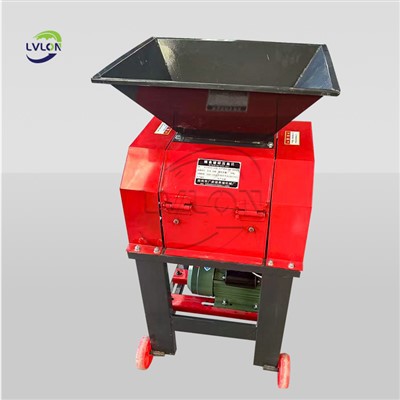
If you’re in the market for a ring die pellet machine or have any questions about controlling the surface roughness of the ring die, I’d love to talk to you. Whether you’re new to the pellet production industry or looking to upgrade your existing equipment, we have the expertise and the products to meet your needs. Reach out to us for a consultation and let’s discuss how we can help you achieve the best results in your pellet production process.
Grain Crusher References:
- "Handbook of Pellet Fuel Production"
- "Advanced Manufacturing Processes for Metalworking"
Henan Lvlon Industrial Co., Ltd.
Address: Unit 5, 5th Floor, Building 11, No. 18 Dongfeng Road, Jinshui District, Zhengzhou City, Henan Province.
E-mail: lvlonxu@gmail.com
WebSite: https://www.lvlonmachinery.com/
