As a supplier of wood artwork, I understand the critical role that glue plays in creating high-quality pieces. Whether you are a professional woodworker or an enthusiastic hobbyist, choosing the right glue can significantly impact the durability, appearance, and overall success of your wood art projects. In this blog, I’ll share insights into different types of glue for wood artwork and help you determine which one is the best fit for your specific needs. Wood Artwork

Understanding the Basics of Wood Glue
Before we dive into the specific types of glue, it’s important to understand the basic properties that make a glue suitable for wood artwork. A good wood glue should have strong bonding strength to hold the wood pieces together firmly. It should also dry clear or with a color that complements the wood, so it doesn’t detract from the beauty of the artwork. Additionally, the glue should be resistant to moisture, temperature changes, and other environmental factors to ensure the longevity of the piece.
Types of Glue for Wood Artwork
PVA Glue (Polyvinyl Acetate)
PVA glue is one of the most commonly used glues for woodworking and is a popular choice for wood artwork as well. It comes in two main types: white glue and yellow glue.
White Glue: Also known as school glue, white PVA glue is inexpensive, easy to use, and dries clear. It has a relatively long open time, which means you have more time to position the wood pieces before the glue sets. However, it is not as strong as yellow glue and has limited water resistance. White PVA glue is best suited for light-duty projects, such as small decorative wood art or crafts where the joints won’t be under a lot of stress.
Yellow Glue: Yellow PVA glue, often referred to as carpenter’s glue, is stronger and more water-resistant than white glue. It dries to a slightly amber color, which may be less noticeable on some types of wood. Yellow glue has a shorter open time compared to white glue, so you need to work quickly when applying it. It is suitable for a wide range of wood artwork projects, including furniture making, cabinetry, and larger wood sculptures.
Epoxy Glue
Epoxy glue is a two-part adhesive that consists of a resin and a hardener. When these two components are mixed together, a chemical reaction occurs, resulting in a strong, durable bond. Epoxy glue has several advantages for wood artwork.
High Strength: Epoxy glue provides an incredibly strong bond that can withstand heavy loads and stress. It is ideal for joining large or thick pieces of wood or for creating joints that need to be extra secure.
Water and Chemical Resistance: Epoxy glue is highly resistant to water, chemicals, and solvents, making it suitable for wood artwork that may be exposed to moisture or harsh environments.
Filling and Gap-Filling Properties: Epoxy glue can fill gaps and voids in the wood, which can be useful for repairing damaged wood or creating smooth surfaces. It can also be used to bond different materials, such as wood and metal or wood and plastic.
However, epoxy glue has some drawbacks. It has a relatively short working time, so you need to mix and apply it quickly. It is also more expensive than PVA glue and can be messy to work with. Additionally, some epoxy glues may emit strong fumes, so proper ventilation is required.
Super Glue (Cyanoacrylate)
Super glue, or cyanoacrylate glue, is a fast-acting adhesive that forms an almost instant bond. It is available in different viscosities, from thin liquids to thick gels.
Fast Bonding: Super glue dries in seconds, which makes it ideal for small repairs or for holding wood pieces in place while other glues dry. It is also useful for joining small or delicate wood parts where a quick bond is needed.
Precise Application: The thin consistency of some super glues allows for precise application, making it suitable for intricate wood artwork.
However, super glue has some limitations. It has low impact resistance and may not hold up well under heavy stress or in applications where the joint is likely to be flexed. It also has poor water resistance, so it is not suitable for outdoor or high-moisture environments.
Hide Glue
Hide glue is a traditional woodworking glue made from animal collagen. It has been used for centuries and is still popular among some woodworkers today.
Natural and Environmentally Friendly: Hide glue is a natural product that is biodegradable and non-toxic. It is a good choice for those who prefer to use environmentally friendly materials in their wood artwork.
Reversible Bond: Hide glue creates a bond that can be reversed by applying heat and moisture. This property makes it useful for antique restoration or for disassembling wood pieces for repairs or modifications.
Good Working Properties: Hide glue has a relatively long open time and can be easily applied with a brush or a glue spreader. It also dries clear and has a good aesthetic appearance.
However, hide glue has some challenges. It requires heating to a specific temperature before use, which can be inconvenient. It also has limited water resistance and may not be suitable for outdoor or high-humidity environments.
Choosing the Best Glue for Your Wood Artwork
When choosing a glue for your wood artwork, consider the following factors:
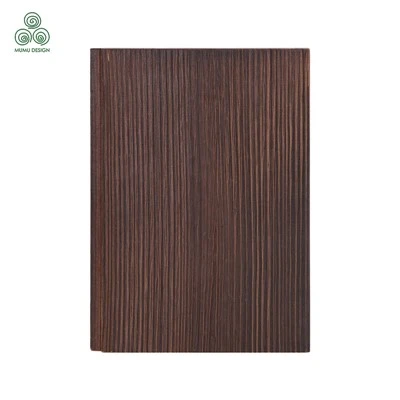
Project Type: The type of wood artwork you are creating will determine the strength and durability requirements of the glue. For example, a small decorative piece may not need as strong a glue as a large piece of furniture.
Wood Species: Different wood species have different densities and porosities, which can affect the bonding strength of the glue. Some glues may work better on certain types of wood than others.
Environmental Conditions: Consider the environment in which the wood artwork will be displayed or used. If it will be exposed to moisture, heat, or other environmental factors, choose a glue that is resistant to these conditions.
Working Time: Some glues have a short working time, while others allow you more time to position the wood pieces. Choose a glue that gives you enough time to complete your project without rushing.
Tips for Using Glue in Wood Artwork
- Prepare the Wood Surfaces: Make sure the wood surfaces are clean, dry, and free of dust, dirt, and oil. Sand the surfaces lightly to create a rough texture that will help the glue adhere better.
- Apply the Glue Properly: Follow the manufacturer’s instructions for applying the glue. Use the right amount of glue and spread it evenly on the wood surfaces.
- Clamp the Wood Pieces: Use clamps to hold the wood pieces together firmly while the glue dries. Make sure the clamps are tightened evenly to prevent the wood from warping.
- Allow Sufficient Drying Time: Different glues have different drying times. Make sure to allow enough time for the glue to dry completely before handling or using the wood artwork.
Conclusion
Wood Household Items Choosing the right glue is essential for creating high-quality wood artwork. Each type of glue has its own advantages and disadvantages, so it’s important to consider your specific project requirements when making a decision. As a wood artwork supplier, I’m always here to help you find the best glue for your needs. If you have any questions or need further advice, please don’t hesitate to reach out. We can discuss your project in detail and find the perfect glue solution for you. Whether you’re working on a small decorative piece or a large furniture project, the right glue can make all the difference in the success of your wood artwork. Let’s start a conversation and bring your wood art ideas to life!
References
- "The Complete Woodworking Guide" by Joe Woodworker
- "Wood Glue: Types and Applications" by Woodworking Magazine
- Manufacturer’s product specifications for various wood glues
Dongguan MUMU Woodwork Co., Ltd.
Dongguan MUMU Woodwork Co., Ltd. is one of the most professional wood artwork manufacturers and suppliers in China, featured by cheap products and good service. If you’re going to wholesale customized wood artwork at low price, welcome to get quotation and free sample from our factory. Contact us for more discount information.
Address: Room No.2602, Universal Commerce Center,Dongguan, China 523073
E-mail: Jerry@mumu-ing.com
WebSite: https://www.mumu-ing.com/
