So, here’s the thing—if you’re a Honda owner staring down a brake job and wondering, “Can I replace just one brake disc?” you’re definitely not alone. I’ve been in the brake game for years, running a Honda-specific brake disc supplier, and this question comes up every single day. Folks see one disc is rusty, warped, or squealing like a stuck pig, and they figure, “Hey, why not save a few bucks and do just that?” It sounds easy, right? But let me break this down straight—no fancy jargon, just real talk from someone who’s seen what happens when people cut corners here. Brake Discs for HONDA
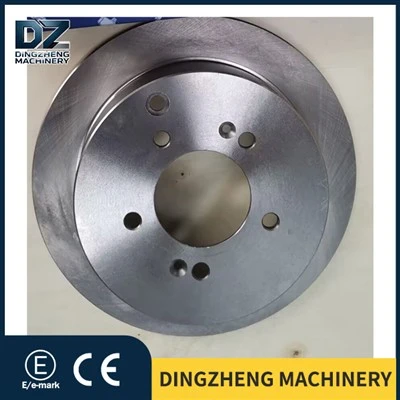
First off, let’s get clear on what brake discs actually do for Hondas. Every Honda, whether it’s a Civic, Accord, CR-V, or even a little Fit, comes with four brake discs (wait, technically two front, two rear, but same idea) engineered to work in perfect sync. They’re made to match the weight of your car, the brake caliper pressure, even how you drive—like if you’re the type who stops hard all the time vs. coasting to lights. Now, if you only replace one, what’s the biggest issue? Balance. Your braking system relies on equal stopping power across all wheels to keep the car straight when you hit the brakes. If one disc is new and the other is old—say, the old one has 60k miles of wear, a little warp, or even just a thinner surface—when you brake hard, the new disc will grab way harder than the old one. That means your car might pull to one side, which is not just annoying—it’s dangerous. I’ve had customers come in panicking because their Civic swerved into a ditch after they replaced just one front disc; that’s exactly why balance is non-negotiable here.
Wait, but hold on—what if the other disc is totally fine? No rust, no vibration when braking, even wear down to the recommended thickness? Is that a pass? Maybe, but here’s the catch: even “fine” discs on a Honda don’t last forever. Honda’s official maintenance guidelines say brake discs should be replaced around 50k-70k miles, depending on driving style. If one disc is at that mark and the other is still “working,” swapping just one might feel okay now, but the old disc is already starting to degrade. Within 10k miles, you’ll notice it squealing again, or the brake pedal vibrating when you stop. And then you’re back under the car a few months later, paying for another job anyway. It’s a false savings—you end up spending more time and money later than if you’d just done both at once.
Let’s talk about specific Honda models too, because not all are the same. For front-wheel drive Hondas (which most Civics, Accords, and CR-Vs are), the front discs do way more work than the rear ones. They handle like 70% of the stopping power, so front discs wear out much faster. If you need a front disc replaced, the rear ones are usually still good, but replacing just one front? Still a bad call. The front axle is designed as a set—calipers, pads, and discs are matched for that axle. Honda’s engineers test the entire axle for balance, so mixing new and old on the front throws that off. I’ve had a customer with a 2020 Civic who tried swapping just the driver’s side front disc; within a week, his passenger side caliper started sticking because it was working harder to match the new disc. Calipers are expensive, y’know—way more than a set of brake discs. That’s a cost he didn’t plan on.
What about warping? A lot of people notice a vibration in the steering wheel when braking, figure that’s just one warped disc. But wait—could both be slightly warped, but you just feel it more in the steering wheel (which is connected to the front axle)? Even if that’s the case, replacing just one won’t fix the vibration long-term. The new disc will be perfectly flat, but the old one has that warp, so the braking force is uneven. The vibration might even get worse because the new disc creates more consistent pressure. We get this all the time at our supplier—people order one disc, call us a week later saying it’s still vibrating, and it’s because the other old disc is warped too.
Now, I’m not saying there’s zero scenario where replacing one is okay. Let’s be real—if you’re on a road trip, and one disc cracks on the side of the highway, and you can’t get another one for 100 miles, you might have to jury-rig it. But that’s a temporary fix, not a long-term solution. As soon as you get back home, you need to replace the other one right away. That’s not a “do it permanently” case.
Another thing: material quality. A lot of off-brand brake discs are thin, uneven, and don’t match Honda’s specifications. But even if you buy high-quality Honda-specific discs (which is what we supply), they’re machined to exact tolerances—same thickness, same surface finish, same metal composition. If you mix a new OEM-grade disc with an old one that’s worn down even a little, the heat distribution will be off. Brakes get hot—like 1,000 degrees hot when you stop hard on a highway. If one disc is thinner, it will expand and contract differently than the new one, leading to more warp, more wear on the pads, and even brake fluid leaks. That’s a safety hazard plain and simple.
Wait, let’s bust a common myth here: “My mechanic said I can just do one!” Yeah, some mechanics will say that to save you a quick buck, but that’s often short-sighted. Or they might cut corners to get the job done faster. The thing is, a proper brake job for a Honda isn’t just swapping discs—it’s resurfacing or replacing pads, lubricating the caliper slides, bleeding the brake lines, and checking the rotor thickness. If you only do one disc, you skip half that process, and the whole system is out of whack. At our supplier, we see so many mistakes because people don’t follow the axle rule. For front-wheel drive Hondas, replace both front discs at the same time. For rear-wheel drive or all-wheel drive Hondas (like the Type R or some older Preludes), replace both rear discs too if you’re doing one. Axle sets, not single discs.
Let’s talk about cost, because that’s what’s on everyone’s mind. A lot of people think replacing one disc is half the cost of two. But when you factor in the potential damage from uneven braking—like wearing out pads faster, damaging calipers, warping the other disc later—it’s way more expensive. We sell a set of two front Honda brake discs for about what most people would pay for just one high-quality disc. So it’s not even that much more to do both. And if you buy cheap, no-name discs, they wear out in 20k miles anyway, so you’re back paying again sooner. We only supply discs made specifically for Honda, tested to meet Honda’s original equipment standards, so they last longer and fit perfectly.
What about if you’re changing pads too? Oh, right—if you’re replacing brake pads, you should replace discs at the same time, too. Because old discs have grooves and wear patterns that will chew up new pads quickly. If you just replace one disc and the other is old, the new pads on the old disc will wear unevenly, and the new pads on the new disc won’t seat right. So even if you were considering just one disc, pairing it with new pads on the other disc makes sense, and that’s a job for both.
I’ve had a lot of repeat customers over the years, and the ones who come back happy are the ones who listen when we say do the axle. They save money in the long run, they don’t have safety issues, and their Hondas stop smooth as butter for years. The ones who try to cut corners? They’re back within a few months with squealing brakes, vibrating pedals, or worse—an accident scare. Last year, a guy brought in his 2018 Accord after he replaced just one rear disc. He said it stopped fine at first, but when he hit the highway going 70, the car pulled hard to the right, and he almost got hit by a semi. He had to replace both rear discs, plus a caliper that was damaged from working too hard, and it cost him twice as much as if he’d just done both in the first place.
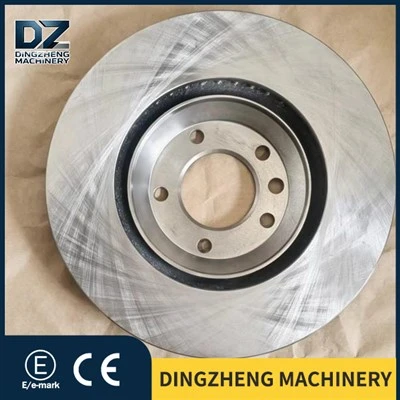
Let’s wrap this up with a clear, no-BS answer: Can you replace just one brake disc on your Honda? Technically, yes—you can physically bolt one new disc on. But practically, safely, and economically? No, you shouldn’t. Honda’s entire braking system is built for axle balance, and mixing new and old discs throws that balance off, leading to safety risks, early wear on other parts, and more money down the line. The only time it’s a temporary fix is if you’re stranded, but as soon as you’re home, get the other one done.
Chery Vehicle Brake Discs At the end of the day, your Honda is a big investment—whether it’s a daily driver, a family car, or a fun weekend car. Cutting corners on brakes is never worth it. If you need new brake discs for your Honda, we supply high-quality, Honda-specific discs made to exact factory specs, and we’ll help you make sure you get the right set for your model and year. Don’t risk your safety (or your wallet) by replacing just one. Reach out if you’re ready to shop for the right brake discs, and we can walk you through every step.
References
- Honda Motor Co., Ltd. Maintenance Schedule and Service Manual for Honda Civic, Accord, CR-V, and Related Models, 2018-2024.
- National Highway Traffic Safety Administration (NHTSA). "Braking System Balance and Vehicle Stability." DOT HS 812 764, 2022.
- Automotive Brake Manufacturers Council (ABMC). "Best Practices for Brake Disc Replacement on Passenger Vehicles." 2021.
- Society of Automotive Engineers (SAE). "Brake Disc Thickness Tolerance and Axle Matching Standards." SAE J2917, 2020.
Laizhou Dingzheng Machinery Co., Ltd.
As one of the most professional brake discs for honda manufacturers and suppliers in China, we’re featured by quality products and good price. Please rest assured to buy cheap brake discs for honda for sale here from our factory. We also accept customized orders.
Address: Luan Jia village, Tushan town, Laizhou city, Shangdong
E-mail: AMY@cndingzheng.com
WebSite: https://www.dingzhengbrake.com/
