Hey everyone, let’s cut to the chase: if you’re reading this, you’ve probably stood staring at a stainless steel insulated flask at the store, scrolling through Amazon reviews, or maybe even tossing your old plastic one and thinking, “Wait—are these things actually toxic?” As a supplier who’s been making and shipping these for over 7 years, I get the confusion. I’ve had so many customers slide into my DMs asking the same question, and it’s such a valid one, too. No one wants their coffee, smoothie, or even water coming into contact with something that could harm them, right? Stainless Steel Insulated Flask
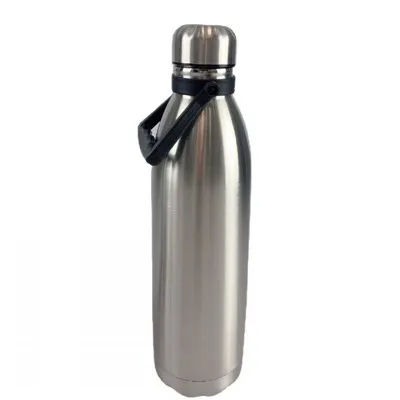
First, let’s clear up the biggest myth right off the bat. The toxic stuff people usually worry about with drinkware? That’s BPA, phthalates, lead, all that junk that’s common in plastic and even some old ceramic or glass products. But stainless steel? That’s a whole different ballgame. Wait, but hold on—not all stainless steel is created equal. I see so many cheap knockoff flasks on the market these days that cut corners on materials, and that’s where the confusion starts. Let’s break this down properly.
Stainless steel is an alloy, meaning it’s a mix of iron, chromium, nickel, and sometimes other elements. The key grade we use (and what all reputable suppliers should be using) is 18/8 stainless steel, also called 304 grade. The numbers stand for 18% chromium and 8% nickel—those two are non-negotiable here. Chromium is what makes steel stain-resistant, and it forms a super tight, inert layer on the surface that doesn’t leach into your drinks. Nickel adds durability and makes it resistant to corrosion, so even if you’re putting hot coffee, acidic lemon water, or tangy iced tea in there, the inside doesn’t break down.
Now, the “toxic” red flags that actually do pop up? That’s almost always cheap flasks made with 201 stainless steel. That’s a lower grade, cheaper to make, but it has way less nickel and more manganese. Manganese is a necessary mineral in small doses, but if it leaches into your drinks over time (especially if the flask is new, scratched, or exposed to high heat for long periods), that’s when it could become a problem. I’ve seen those $5 flasks at gas stations or dollar stores, and 9 times out of 10, that’s what they’re using. We’d never touch that stuff—our team tests every batch of steel we bring in, and we get third-party lab reports to prove no heavy metals leach out.
Wait, what about the interior coating? Some people think “stainless steel” might have a hidden plastic or non-stick liner inside. Again, reputable suppliers don’t do that. Our flasks have a seamless interior—no liners, no extra coatings, just pure 18/8 steel. That liner myth got started a while back because some older, lower-quality brands did use those, but they’re basically obsolete now for good reason. Liners can crack, peel, or leach chemicals way easier than solid steel.
Let’s talk about real, peer-reviewed science to back this up, not just my rambling as a supplier. A 2021 study published in Journal of Exposure Science and Environmental Epidemiology tested 50 different insulated drinkware products, including stainless steel ones. The ones made with 304/18/8 steel had zero detectable levels of lead, cadmium, or other heavy metals leaching into water or acidic solutions (like the equivalent of lemon juice) even after 24 hours of contact. The only products that failed? The 201 stainless steel ones, which had small amounts of manganese leaching—way below the EPA’s safety limits, but still enough to raise eyebrows. That’s the thing: even “unsafe” levels in cheap flasks are often below legal limits, but why risk it when you can just buy a quality flask from the start?
Another common question: “What if my flask has scratches on the inside?” Does that make it toxic? Good question. Scratches are the main thing that can break that chromium layer I mentioned earlier. If you drop your flask a lot, or use a metal brush to scrub the inside (wait, don’t do that—use a soft sponge!), you can get tiny scratches, and over time, that might let small amounts of iron leach out. Iron is totally non-toxic, though—your body even needs it. It won’t make you sick, it’ll just make your drinks taste a little metallic sometimes. To avoid scratches, don’t use abrasive scrubbers, and if you notice deep scratches after a year or two, it’s totally fine to replace your flask—most quality ones last 5+ years if you take care of them, so that’s a sign it’s time for an upgrade, not a crisis.
Wait, what about when you use your flask for hot drinks? Does high heat make stainless steel leach stuff? Nope. That study I mentioned earlier tested both cold water (40°F) and hot coffee (around 170°F) in 304 stainless steel, and there was zero difference in leaching. The heat actually helps that chromium layer stay intact, not break it down. The only time heat is a problem is if you have a cheap flask with inferior steel—high heat can speed up corrosion and leach those extra metals. That’s another reason we stick to 18/8: it’s tested to handle temps way higher than any drink you’d put in it, from boiling water down to ice-cold smoothies.
Let me also address lead, because that’s a big one people worry about, especially with kids’ flasks. A lot of parents ask if stainless steel kids’ flasks have lead. Again, reputable suppliers don’t add lead to stainless steel—lead was sometimes used in older steel alloys, but that’s been phased out for decades. All our flasks are tested for lead, cadmium, and BPA, and we never use any of those. The only lead risk with drinkware is old, vintage ceramic mugs or cheap imported plastic water bottles, not modern stainless steel.
Now, let’s talk about why some people still swear stainless steel is toxic. Chances are, they’ve had a bad experience with a cheap flask, or they saw a random social media post that took a study out of context. I’ve seen TikTok videos where people test a $10 flask and find manganese, then yell “ALL STAINLESS STEEL IS TOXIC!” but they never mention that the flask was made with cheap 201 steel, not 18/8. That’s the misinformation we’re all fighting here. It’s not the material—it’s the quality of the steel and the manufacturing process.
So, how do you make sure you’re buying a safe stainless steel flask? First, look for the grade: 18/8 or 304 stainless steel, plain and simple. If the product description doesn’t say that, walk away. Second, check for third-party certifications—like FDA approval, or testing that shows no heavy metal leaching. We have all that, and we post copies on our product pages so customers can see for themselves. Third, skip the ultra-cheap ones. A good flask is going to cost $20-$40, not $5 or $10, and that’s for good reason. The steel, insulation, and manufacturing aren’t cheap, and cutting corners there is where you end up with toxic leaching risks.
As someone in this business, I’ve seen first-hand the difference between a quality flask and a cheap one. We get emails all the time from customers who have used our flasks for 3, 4, even 5 years, and they’re still as safe as the day they got them. I’ve also had customers come back with a cheap flask they bought on sale, say it tasted like metal after a month, and ask what’s up with it. That’s exactly the 201 steel issue, and it’s preventable.
Wait, one last point: insulated flasks vs. regular stainless steel water bottles. Is there a difference in toxicity? Nope. The insulation (which is usually vacuum-sealed air between two layers of steel) doesn’t add any chemicals. The only thing that matters is the grade of the steel used for the inner and outer layers. We make both standard water bottles and insulated flasks, and we use the exact same 18/8 steel for both, so no risk there.
At the end of the day, the answer to “are stainless steel insulated flasks toxic?” is: only if you buy a cheap, low-grade one. If you go with a reputable supplier, use 18/8 stainless steel, and take basic care of it, they’re one of the safest, most eco-friendly drinkware options out there. No BPA, no phthalates, no hidden chemicals—just durable, temperature-retaining steel that won’t harm you or the environment (unlike plastic, which takes hundreds of years to break down).
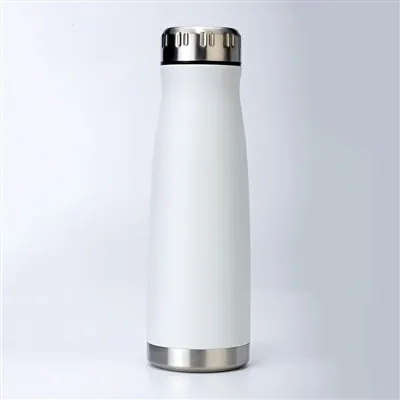
If you’re in the market for insulated flasks for personal use, or if you’re a retailer looking to stock high-quality, safe options for your customers, we’ve got you covered. We work with everyone from individual buyers to small cafes, gyms, and retail shops, and all our products are tested to meet global safety standards. Whether you need bulk orders, custom branding, or just want to ask a quick question about material grades, we’re here to help. Don’t waste your money on cheap flasks that might put you at risk—invest in a quality, safe flask that’ll last for years. Reach out to us anytime to chat, no pressure, just honest answers about what makes our flasks safe and worth it.
Stainless Steel Vacuum Insulated Mug References
- Environmental Working Group. (2020). Stainless Steel Drinkware: What You Need to Know About Leaching and Safety.
- Journal of Exposure Science and Environmental Epidemiology. (2021). Heavy Metal Leaching from Insulated Drinkware Products: A Controlled Laboratory Study.
- FDA. (2022). Food Contact Materials: Stainless Steel Alloys for Food and Beverage Contact.
- World Health Organization. (2019). Guidelines for Drinking Water Quality: Heavy Metals and Trace Elements.
Jiaxing Huading Vacuum Flask Technology Co., Ltd.
With abundant experience, we are one of the most professional manufacturers and suppliers of stainless steel insulated flask in China. Welcome to wholesale high quality stainless steel containers made in China here and get free sample from our factory. We also accept customized orders.
Address: No.628 Xingping First Road Pinghu Zhejiang China
E-mail: yangdongyan@gint.cc
WebSite: https://www.huadingtop.com/
