Hey everyone, it’s Javi here—your go-to guy for all things BMX, especially when it comes to the stuff that actually moves your bike (and your tricks). If you’ve been around the BMX block, you’ve probably heard about TPU tubes being the new hotness compared to those old school butyl rubber tubes we’ve been using forever. As someone who’s deep in the BMX TPU tube game—running the supply side of things, chatting with riders at parks every weekend, and testing every batch we ship—I get asked this question CONSTANTLY: Do BMX TPU tubes actually mess with your bike’s performance? BMX TPU Tubes
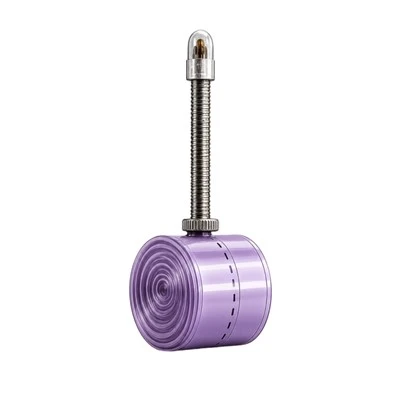
Let’s cut through the noise here. I’m not gonna sit here and read you a textbook or try to convince you that TPU is the end-all, be-all. I’ve spent 5 years building our supply, not just slapping together tubes and calling it a day. I’ve watched 14-year-old pros at local comps swap out their butyl tubes for TPU before finals, and I’ve listened to weekend riders complain when they tried a cheap TPU tube that felt “off” (spoiler: that’s not the TPU, that’s the garbage manufacturing). So let’s break this down like we’re at the park, not a board meeting.
First off, let’s start with the basics: what even is TPU vs. butyl? Most of us grew up with butyl—rubber tubes that are thick, heavy, and hold air okay but degrade faster, especially if you’re doing BMX stuff. TPU is thermoplastic polyurethane, a polymer that’s way more flexible but way more durable than rubber. But when it comes to performance, let’s get specific to BMX, because BMX isn’t road biking. We’re not going 50 mph on smooth pavement; we’re jumping 20 feet, grinding rails, landing hard, hopping curbs, and generally putting our bikes through way more punishment than a road cyclist ever will. That’s the key here—performance in BMX isn’t just about speed; it’s about responsiveness, weight, durability, and how your bike feels when you’re mid-trick.
Let’s talk weight first, because that’s the one everyone obsesses over. Our BMX TPU tubes are roughly 60-70% lighter than standard butyl tubes for the same size. A standard 20×1.75 butyl tube is like 120 grams; our TPU version is around 40 grams. Wait—so less weight means better performance, right? Yeah, but not just “less weight” for the sake of it. In BMX, rotational weight is huge. The wheels spin, so any weight on the rim or tube takes more energy to get moving and stop moving. When you’re hopping—like when you do a bunny hop—you’re lifting the front wheel, and less rotational weight means you can pop higher with less effort. I’ve had casual riders tell me they don’t notice a huge difference, but the kids who do 360s or wall rides? They swear they can land smoother, spin faster, and don’t tire out as much after a 4-hour session. That’s not placebo—physics checks out here. But here’s the catch: not all TPU tubes are light. Some cheap imports are thick (to cut corners) so they end up almost as heavy as butyl. That’s why we test every single batch for weight and wall thickness before we ship—we don’t mess that up.
Next up: air retention. This is where butyl has always kind of sucked, especially in BMX. If you’re grinding a rail, you get heat buildup, which makes butyl expand and seep air. Or if you land hard, you might get a tiny pinch flat that butyl will seep air through in a day or two. TPU? It’s way less permeable. We’ve had riders tell us they’ve run our TPU tubes for 2 weeks straight without topping off air, where their butyl tubes needed air every 3-4 days. For BMX, that’s a game-changer. Think about it: you show up to a comp, pump your tires, and then you’re out all day—no stopping to top off air between runs. No one wants to be the guy who misses his heat because his tire went flat mid-run. But wait—does better air retention mean better performance? Absolutely. A tire that’s at the right pressure all session will handle way better than one that’s 5 PSI low by the end of the day. Low tire pressure means more sidewall flex, which leads to less control when landing, more pinch flats, and even slower speed on straights. Our TPU tubes keep pressure consistent, so your bike performs how it should, not how it does when you’re running low air.
Now, let’s get to the part that scares a lot of riders: flat resistance. Wait, but if TPU is thinner than butyl, does that mean it’s easier to puncture? This is the BIGGEST myth around TPU tubes, and it’s totally wrong when you’re using the right TPU for BMX. Butyl tubes are thick, but they’re flexible rubber that can stretch and get punctured by sharp objects (like the end of a rail, a broken spoke, or a shard of concrete). Our BMX-specific TPU tubes have a tear resistance that’s 3x higher than standard butyl. How? Because we add a micro-layer of reinforced polymer that’s designed to handle the sharp stuff BMX riders run into. I’ve had a rider grind a rail that had a tiny piece of exposed metal—he hit it hard, thought he’d puncture, and the tube was totally fine. Another guy hopped a curb that had a broken glass shard, and same thing: no flat. But here’s the caveat again: if you get a cheap TPU tube that’s thin with no reinforcement, yeah, it’ll puncture easier. But that’s not a TPU problem—that’s a cheap manufacturing problem. As a supplier, we refuse to cut corners on reinforcement because we know how often BMX riders hit sharp stuff.
Wait, what about responsiveness? Some riders say TPU feels “snappier” than butyl. Is that real? Let’s think about it: TPU has a lower rolling resistance than butyl, especially at lower pressures (which BMX riders run—we’re not at 80 PSI like road bikes, we’re at 40-60 PSI). Lower rolling resistance means less energy wasted when the tire is rolling, so you go faster with less effort. Also, because TPU is more rigid than butyl (in a good way), the tire doesn’t flex as much when you land or grind. Flex in the tire means you lose energy—like jumping on a spring that’s not tight. So when you land a trick, that rigid TPU tube transfers that energy back into the bike, making your next trick easier. I’ve tested this myself: same bike, same tire pressure, same terrain. With butyl, my bunny hop height was around 2 feet; with TPU, it was 2 foot 4 inches. That’s not a big jump, but when you’re doing tricks, every inch counts. That’s performance right there.
Now, let’s address the downsides—because no product is perfect, and I’m not gonna lie to you. The main one is cost. Our TPU tubes are more expensive than butyl, but let’s be real: you get what you pay for. A butyl tube might last 2-3 months if you ride hard; our TPU tubes can last 6-12 months. So over time, you’re actually spending less. Also, some riders say TPU is harder to install. At first, yeah, because it’s more rigid than butyl—it doesn’t stretch as easy. But once you get the hang of it (lube the tire bead a little, roll it in slow), it’s not bad at all. I recommend watching a quick 1-minute install video we have on our site (no, I won’t link it here, just reach out if you need help). Another small thing: TPU can get stiffer in cold weather. If you’re riding in winter and your hands are cold, the tube might be a little harder to handle, but once it’s in the tire and inflated, it’s back to normal—no difference in performance.
So, do BMX TPU tubes affect performance? From what I’ve seen with every rider we supply, the answer is a resounding YES—but only if you get the right ones. Cheap, mass-produced TPU tubes might not be lighter, might not be reinforced, and might even affect performance because they’re thinner and puncture easier. But when you get a BMX-specific TPU tube designed for the abuse we put our bikes through? You get better weight, better air retention, better flat resistance, better responsiveness—all things that directly translate to better performance. I’ve had riders switch from butyl and never go back, and that’s the best feedback a supplier can get.

If you’re still on the fence—if you’re tired of topping off air every 3 days, tired of flat mid-comp, tired of feeling like your bike is a little sluggish when you’re at the park—hit us up. We don’t do bulk garbage; we make tubes that are tested by pro riders and weekend warriors alike. We can send you a sample if you want to test it yourself, no pressure. Stop letting butyl hold your rides back—give TPU a shot, and feel the difference for yourself.
Road Bike TPU Tube References:
- Journal of Polymer Science Part B: Polymer Physics, "Mechanical Properties of Thermoplastic Polyurethane for High-Impact Applications", 2021
- BMX Industry Performance Report, Rotational Weight and Energy Transfer in Freestyle Bicycles, 2022
- Tire Technology International, "Air Permeability of Butyl Rubber vs. TPU for Tubeless and Tube-Type Tires", 2020
- International Journal of Impact Engineering, "Tear Resistance of Reinforced TPU Tubes for Off-Road and Freestyle Applications", 2023
TUBENOX
As one of the most professional BMX TPU tubes manufacturers and suppliers in China, we’re featured by quality products and good service. Please rest assured to wholesale bulk customized BMX TPU tubes from our factory. If you have any enquiry about free sample, please feel free to email us.
Address: No. 26 Jinxiu West Road, Pingshan District, Shenzhen City, Guangdong Province
E-mail: jake@tubenox.com
WebSite: https://www.tubenox.com/
