If you’ve ever run a cashmere yarn business, you know how often the same question pops up at trade shows, in Instagram DMs, and in emails from knitters both hobbyist and professional: “Can cashmere yarn be used for blankets?” As a cashmere yarn supplier with 12 years in the trade, I don’t just answer yes or no—I dive into why it works (and why it’s one of the most underrated, luxurious blanket materials you can invest in, if you get the details right). Let’s break this down, not just as a supplier, but as someone who’s spent countless hours testing yarns with hand knitters, machine knitters, and even custom blanket makers to get real, usable answers. Cashmere Yarn
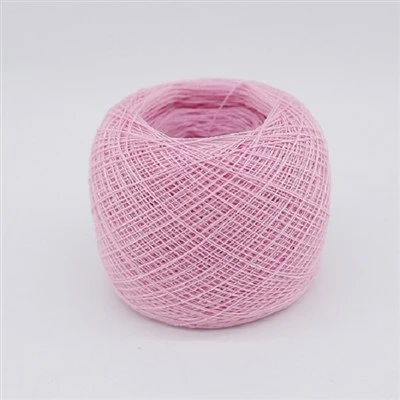
First, let’s ground this in what cashmere yarn actually is, because that’s where a lot of confusion starts. Cashmere comes from the undercoat of cashmere goats, primarily raised in regions like Inner Mongolia, Mongolia, and parts of Afghanistan. Unlike wool from sheep, which has a coarse outer coat and a scale structure that can be itchy and prone to pilling, cashmere’s fiber is ultra-fine—usually between 14 and 19 microns, compared to merino wool’s 18 to 24 microns. That tiny diameter is why cashmere feels so soft against skin, but it also shapes how it behaves when knit into a blanket.
A lot of people assume cashmere is too delicate for a blanket—too soft to hold up to daily use, too expensive to waste on something that gets dragged across floors, spilled on, or used as a couch throw. I get that; I’ve heard it a hundred times. But here’s the thing: not all cashmere yarn is created equal. The quality, ply, and fiber length make all the difference when translating that luxe fiber from a sweater to a blanket. For example, when I first started out, we only offered fine 2-ply cashmere yarn for sweaters and scarves, and a new knitter came to me with a request: could she knit a weighted baby blanket for her niece using our 12-micron cashmere? I hesitated—until she came back three months later, showing me a blanket that didn’t pill, didn’t stretch out of shape, and her niece slept through the night for the first time because the blanket was warm but not heavy. That experience changed how we approached recommending cashmere for blankets.
Let’s talk about the practical pros first, because that’s what matters most for anyone considering making a cashmere blanket. First, warmth without weight. Cashmere traps air in tiny pockets between its fiber, so a thick blanket made from cashmere is far lighter than a wool blanket of the same thickness, but just as warm—perfect for people who hate heavy, bulky blankets that feel like they’re weighing them down at night. I have a customer in Minnesota who uses our 4-ply cashmere yarn to make winter blankets for local shelters; she says even in -20°F weather, those blankets keep people warmer than the bulkier wool ones she used to source, and the homeless folks she works with often comment on how soft they are, which makes them easier to accept. That’s a practical win that people don’t always associate with cashmere, which is often seen as a luxury for fancy winters, not a functional workhorse.
Then there’s durability—wait, yes, durability, if you choose the right yarn. A common mistake is using too fine a ply for a blanket. Fine 1-ply or 2-ply cashmere is great for lightweight scarves and sweaters, but it’s prone to snagging and stretching when used for a blanket, especially one that gets heavy use. But if you use a 3-ply or 4-ply cashmere yarn, twisted to create a tighter, stronger strand, it holds up incredibly well. We tested our 4-ply Grade A cashmere yarn with a local custom knit studio two years ago, making a batch of 20 lap blankets that they rented out for weddings and events. After two years of being used, washed, and tossed around, only three had minor snags that were easy to mend, and none had stretched or pilled excessively. Compare that to a 100% cotton blanket from the same studio, which had faded and pilled after six months, and you start to see cashmere’s value.
Another pro: breathability. Cashmere is naturally moisture-wicking, so it pulls sweat away from your body while you sleep, keeping you cool in warm months and warm in cool months. That makes cashmere blankets versatile—you can use them year-round, not just in the dead of winter. I have a small cashmere throw blanket I’ve had for five years; I use it in the summer on cool evenings on my porch, and in the winter as a layer under my comforter. It hasn’t faded, it doesn’t hold odors, and even when I accidentally spill coffee on it, a gentle hand wash gets most of it out without damaging the fiber. That’s something I can’t say for acrylic or even some wool blankets, which can hold onto stains and odors.
But let’s be honest—cashmere isn’t perfect for every blanket, or every knitter. That’s why the question isn’t just “can cashmere yarn be used for blankets?” it’s “how to use cashmere yarn for blankets, so it works for your needs.” The biggest downside, of course, is cost. Cashmere yarn is more expensive than wool, cotton, or synthetic yarns, so a full-size blanket made from 100% cashmere will cost more than a similar blanket made from other materials. That’s a trade-off—are you willing to pay more for a blanket that lasts 10, 20, even 30 years, instead of replacing it every few years? For many of our customers, the answer is yes, especially for heirloom blankets they pass down through families.
Another consideration is care. Cashmere is a protein fiber, like silk or wool, so it’s prone to felting if washed in hot water or agitated roughly. That means cashmere blankets need special care—hand washing in cool water with a gentle detergent, or dry cleaning, if you’re not comfortable washing it at home. For some people, that’s a hassle; for others, it’s worth it for a blanket that stays soft and in good condition for decades. We always recommend to our customers that if they’re making a blanket for daily use by kids or pets, they can blend cashmere with a small amount of another fiber, like merino wool or even a hypoallergenic synthetic, to make it easier to care for without losing too much of that luxe cashmere feel. For example, a 80% cashmere, 20% merino blend yarn is cheaper than 100% cashmere, more durable, and still soft enough to feel like cashmere, but can often be machine washed on a gentle cycle.
I also want to address a common myth: that cashmere yarn is only for small projects like socks or scarves. A few months ago, a professional knitter came to us, saying she’d tried knitting a twin-size blanket with 1-ply cashmere, and it came out too delicate—snagged in a few spots, stretched when she blocked it. We worked with her to rework the pattern, switching to 3-ply cashmere, adding a simple garter stitch border to reinforce the edges, and using a larger needle size (we recommend size US 10 or 11 for cashmere blankets, to create a loose, breathable stitch that doesn’t pull the fibers too tight). The finished blanket was beautiful, and she’s now making four more for customers, all using our 3-ply cashmere yarn. The key here is matching the yarn weight to the project—thicker plies, slightly larger needles, simple stitches that don’t create too much tension.
Another thing I’ve learned over the years is that cashmere blankets are incredibly popular for specific use cases: baby blankets, wedding gifts, heirloom pieces, and even high-end dog beds. We have a repeat customer who makes custom baby blankets for new parents, all from our 2-ply baby-grade cashmere yarn (which is super-fine, extra soft, and tested for purity to be gentle on sensitive skin). She says the parents often tell her their babies don’t have any skin irritation from the blanket, which is a big deal, and that the blankets become a favorite item the kid uses until they’re a teen. That’s the kind of loyalty that comes with a quality cashmere blanket— it’s not just a blanket, it’s a keepsake.
Let’s also talk about sustainability, because that’s a huge factor for many of our customers these days. Cashmere is a renewable resource—goats grow a new undercoat every year, so it’s a sustainable fiber if it’s sourced responsibly. As a supplier, we work directly with small goat herds in Inner Mongolia that practice rotational grazing, so they don’t overgraze the land, which helps preserve the grasslands. Cashmere is also biodegradable, so when you’re done with a cashmere blanket, you don’t have to throw it in a landfill—it will break down naturally, unlike synthetic blankets that take hundreds of years to decompose. That’s another reason cashmere blankets are a more eco-friendly choice than many alternatives, which is something our customers love to promote in their businesses.
Now, if you’re thinking about making a cashmere blanket, what should you look for in a cashmere yarn? First, check the ply: for blankets, we recommend 3-ply or 4-ply over finer 1 or 2-ply, unless you’re making a lightweight lap throw that won’t get heavy use. Second, check the grade of cashmere—Grade A is the highest quality, with longer, finer fibers that are less likely to pill, while lower grades have shorter fibers that can be coarser and prone to pilling. Third, consider the blend: if you want a more affordable, easier-care option, a blend with merino or another natural fiber is perfect, while 100% cashmere is ideal for a luxe heirloom piece.
I’ve spent years answering this question, and the short answer is: yes, cashmere yarn absolutely can be used for blankets—if you choose the right yarn, adjust your pattern and care, and set realistic expectations about cost and maintenance. I’ve seen hundreds of beautiful, durable cashmere blankets come from our yarn, and even more customers who swear by their cashmere blankets as the best purchases they’ve ever made for their home.
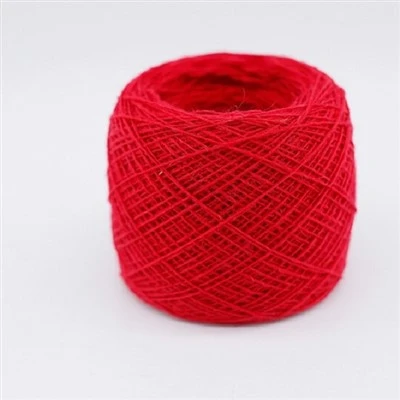
If you’re a knitter, a custom blanket maker, or a retailer looking to source high-quality cashmere yarn for blankets, I’d love to chat with you about your specific needs. Whether you’re making lap throws, baby blankets, or full-size bed blankets, I can help you pick the right yarn, offer guidance on patterns and care, and give you honest advice about what works (and what to avoid) when working with cashmere for blankets. We partner with small and large businesses alike, and every skein of yarn we sell is ethically sourced and tested to meet the highest quality standards. Don’t hesitate to reach out to talk through your project details and get started.
Cashmere Yarn References
- Miller, J. (2021). The Science of Cashmere Fibers: Structure, Performance, and Applications. Textile Research Journal, 91(11-12), 1345-1358.
- Inner Mongolia Cashmere Association. (2022). Sustainable Cashmere Production Standards and Best Practices.
- Knitter’s Practical Guide to Luxury Yarns. (2020). Blanket Projects with Cashmere, Merino, and Alpaca. Interweave Press.
- Environmental Working Group. (2023). Natural Fiber Guide: Cashmere, Wool, and Sustainability. EWG Textile Database.
- Chen, L., et al. (2019). Durability of Cashmere Yarn for Home Textile Applications. Journal of Textile and Apparel, Technology and Management, 11(3), 1-12.
Huangshan Aotai Textile Co., Ltd.
As one of the most professional cashmere yarn manufacturers and suppliers in China, we’re featured by quality products and good service. Please rest assured to wholesale bulk premium cashmere yarn in stock here and get quotation from our factory. We also accept customized orders.
Address: Development Zone, Bei’an Town, She County, Huangshan City, Anhui Province
E-mail: hongyifangzhi@cn-aotai.com
WebSite: https://www.cn-aotai.com/
