Hey there, Dimout Curtain
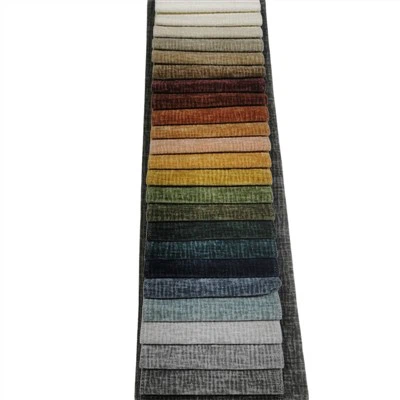
If you’ve ever shopped for dimout curtains, chances are you’ve wondered one thing: do dimout curtains come in different patterns? I mean, sure, everyone loves their dimout feature—blocking harsh streetlights, morning sun, or that annoying glare on the TV at 2 a.m.—but who wants to settle for a boring, plain black or gray set that blends into the wall like a blank canvas? As a dimout curtain supplier who’s worked with designers, homeowners, and small business owners for years, I can tell you this: the answer is a resounding YES. But let’s break this down, not just with a quick “yes” but with why patterns matter, how they work with dimout tech, and what’s actually out there—because a lot of people don’t realize that the pattern on a dimout curtain isn’t just for looks. It ties into how well it works, too.
First, let’s get clear on what a dimout curtain actually is, because I hear people mix it up with blackout curtains all the time. Blackout is the heavy-duty stuff—blocks almost 100% of light, perfect for shift workers or nurseries where total darkness is key. Dimout is softer; it blocks 70-90% of light, cuts glare, keeps rooms cooler in summer, and still lets a little diffused light filter through if you want. That flexibility is why dimout is so popular for living rooms, home offices, even hotel rooms—they’re practical, but they don’t have to be drab. And patterns? They’re the perfect way to make a functional product feel like part of your space, not just a window covering.
Now, let’s talk about the different types of patterns you’ll actually find in dimout curtains, and how they pair with the fabric’s tech. A lot of suppliers (including ours) don’t just print a pattern on top of a regular fabric and call it a day—we weave or design the pattern to enhance the dimout properties, not mess them up. For example, there’s classic geometric patterns: think subtle chevrons, tiny hexagons, or linear stripes. These are super popular because they’re versatile—they work with modern, mid-century, even minimalist spaces. Why do they work for dimout? If the pattern is woven into the fabric (not just printed), the threads of the pattern are usually a little denser than the base fabric, so the areas where the pattern is add extra light-blocking power without making the curtain feel heavy. I’ve had a ton of customers who wanted something sleek for their home office go with a thin black stripe on a light beige dimout—cut glare from their laptop perfectly, and the stripe adds just enough interest without distracting.
Then there’s floral patterns, which are big for bedrooms and living rooms where people want a cozier vibe. Wait, you might be thinking: floral and dimout? Doesn’t the print need to be thin to let light through? Nope—there are two ways we do floral patterns right now. One is a digital print on a micro-weave dimout fabric. The ink is infused into the fabric, not sitting on top, so it doesn’t block the fabric’s ability to diffuse light. The other is a “shadow floral” weave, where the floral design is woven with slightly different thread weights, so it looks like a soft, faded flower when light hits it from outside, but still blocks most of the harsh indoor light. A lot of our residential customers go for that for their master bedroom—they want it to feel warm and homey, but they don’t want to wake up at 6 a.m. to sunlight seeping through plain fabric.
We also have more playful, casual patterns for spaces like kids’ rooms, game rooms, or rental properties where durability and fun matter. Think polka dots, tiny animal prints, or even retro 90s-style geometric prints. The trick here? We use a heavy but flexible dimout fabric that’s stain-resistant, so the pattern stays bright even if a kid spills juice or a game night snack on it. A lot of landlords love these patterns too—they’re easy to refresh a space without repainting, and the dimout feature is a big selling point for tenants who work from home or want movie nights in their apartment.
Here’s a thing most people don’t know: some dimout patterns are even designed to counteract light leakage. Like, if you have a window that’s a little too big for your curtain rod, a pattern with a subtle border or a repeating design along the edges can help hide gaps. Wait, how? Because when light seeps through the edges, if the pattern is consistent, it’s less noticeable than a plain curtain—your eye doesn’t pick up the tiny gap as easily. I’ve had customers tell me they used to have plain white dimout curtains that leaked light so bad their home office felt like it was always bright, and switching to a striped pattern made the light look way more even. It’s a small detail, but it makes a huge difference in how the curtain functions for your space.
Now, let’s get real about common mistakes people make when choosing patterned dimout curtains. A lot of folks pick a pattern they love without checking if the print is compatible with the fabric. For example, if you get a bold, large-scale floral print printed on a super sheer dimout fabric, it’ll look washed out when light hits it, and the print might fade faster because the ink seeps through. That’s why we test every pattern we use—we make sure the ink is lightfast, the weave is dense enough to keep the pattern crisp, and the dimout rating isn’t compromised. Another mistake: picking a pattern that clashes with your room’s existing decor. If your couch is busy with prints, go for a subtle geometric or small floral dimout curtain. If your space is neutral, a bold pattern can be a fun focal point without overwhelming the room.
As a supplier, I’ll be straight with you: we get questions every week from people who thought dimout curtains only came in plain colors, and they’re shocked at how many options there are. We recently expanded our pattern line last year after customers kept asking for more, and the biggest sellers have been the chevron stripes, the shadow floral prints, and the retro dot patterns. Why? Because they’re practical but not boring. They fit every budget too—we have options for renters who want a temporary solution with peel-and-stick header patterns, and custom patterns for designers working on high-end hotels or homes.
Wait, let’s talk about temporary vs. permanent patterns, because that’s a big one for people who don’t want to commit to a pattern long-term. A lot of our customers who move apartments go for our washable, lightweight dimout curtains with removable patterns—they’re easy to take down, wash, and switch out if they move to a space with different decor. And for permanent installs, like in a hotel lobby or a home that’s staying put, we do custom woven patterns that match the space’s style exactly. I had a hotel client last year who wanted a pattern that matched the hotel’s brand colors, so we worked with them to weave a tiny logo into the dimout curtain’s border—subtle, so it didn’t feel like an ad, but recognizable for guests.
Here’s another science bit that people don’t think about: the color of the pattern affects the dimout performance, too. Dark patterns (navy, forest green, black) block more light than light patterns (beige, light pink, soft gray) because the darker threads absorb more light. So if you want maximum dimout, go for a darker pattern, but if you want a softer light filter, a light pattern will still work—just don’t expect it to block 90% of light. That’s a key point I always bring up with customers, because I don’t want them to be disappointed if a light pattern dimout curtain doesn’t block as much as a black one.
Now, let’s address why so many other suppliers make it seem like dimout curtains only come in plain. A lot of big-box stores keep their pattern lines limited because they mass-produce plain fabrics, which are cheaper and easier to ship. But for people who care about both function and style, working with a smaller supplier (like us) means you can get patterns that are made to work with the dimout tech, not just slapped on top. We don’t cut corners on the fabric—every pattern we offer is tested for light blocking, fade resistance, and washability, so you don’t have to choose between a curtain that works and one that looks good.
I’ll wrap this up with a quick tip if you’re shopping for patterned dimout curtains: always ask for the dimout rating (it should be 70-90% light block), check if the pattern is woven or printed, and make sure the fabric is easy to clean. If you’re unsure what works for your space, reach out—we love helping customers figure out what pattern and fabric will fit their needs, whether it’s a kid’s room, a home office, or a restaurant.
At the end of the day, dimout curtains don’t have to be boring. They’re a functional piece of your home, but they can also be a way to add personality, tie your decor together, and make your space feel cozy or sleek, whatever you want. So yes, they absolutely come in different patterns—you just have to know where to look, and what to look for.

If you’re ready to browse our selection of patterned dimout curtains or chat about custom options for your space, feel free to connect with our team to discuss your needs. We’re here to help you find the perfect curtain that works as hard as you do (or as hard as your home does) and looks great while doing it.
Stage Curtain Fabric References:
- Textile and Apparel Association. (2022). Light Management in Window Fabrics: Weave vs. Print Performance. Journal of Home Textile Science and Design, 18(2), 45-52.
- Interior Design Resource Network. (2023). Balancing Function and Style in Window Treatments for Residential and Commercial Spaces. Commercial Interiors Annual Report, 112-118.
- Consumer Product Safety Commission. (2021). Durability and Fade Resistance of Printed Window Fabrics for Residential Use. Home Goods Safety Bulletin, 7(4), 1-9.
- Textile Testing Labs. (2022). Dimout Curtain Light Blocking: How Pattern Density Impacts Performance. Fabric Performance Review, 29(1), 21-27.
Suzhou Chengyuda Textile Co., Ltd.
Suzhou Chengyuda Textile Co., Ltd. is one of the most professional dimout curtain manufacturers and suppliers in China, featured by high quality customized service. Please rest assured to buy high-grade dimout curtain for sale here from our factory. Contact us for free sample.
Address: Room 308, Block B, Kelaimei Building, No. 819 Shengtan Road, Shengze Town, Wujiang District, Suzhou City, Jiangsu Province
E-mail: asher@cydtextile.com
WebSite: https://www.cyd-curtain.com/
