If you’ve ever walked along a busy urban street, trundled past a residential construction site, or even driven through a suburban neighborhood after a rainstorm, you’ve likely spotted them—those heavy, metal grates peeking out from the pavement, usually tucked between sidewalk curbs and streetlights. Most people just glance past, not stopping to wonder what purpose they serve. As a cable trench cover supplier, I talk to people every week who have no clue what a sloped cable trench cover is, or why it’s so different from the flat, standard grates they’re used to seeing. Today, I want to break this down simply, explain why these pieces of infrastructure matter, and share why we’ve made them the core of our work supplying businesses, municipalities, and contractors across the region. Cable Trench Cover
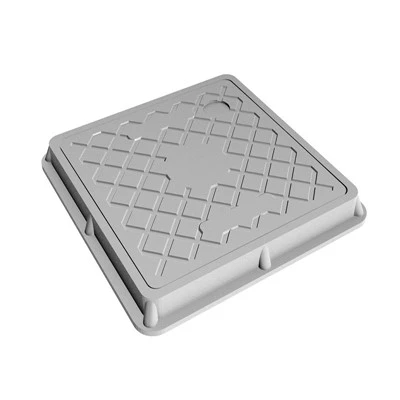
First, let’s start with the basics: a cable trench itself is not some hidden, mysterious hole in the ground. It’s a narrow, excavated channel buried just beneath the surface, designed to hold electrical cables, fiber optic lines, or telecommunications wiring. Think of it as a underground utility hallway—think of it as a dedicated space for the wires that power your phone, your home’s electricity, your internet, and even the streetlights you pass at night. Now, that trench would be useless without a cover to keep the lines safe, keep people and vehicles from tripping or falling in, and prevent rain, mud, debris, or small animals from messing up the wiring.
So what makes a sloped cable trench cover different from the standard flat covers you see everywhere? That slope—usually a subtle 2 to 5-degree angle, never steeper than 6 degrees for safety—might look like a tiny detail at first, but it solves a huge problem that flat covers can’t. For starters, consider stormwater. After a heavy downpour, standing water is the enemy of buried cables. Water seeping into a trench can corrode wiring, cause short circuits, or even lead to outages when it builds up enough pressure to seep past the edges of a cover. A sloped cover is engineered to channel water away from the trench, not into it. The angle directs runoff toward the gutter, drain, or even a pre-placed drainage grate at the end of the trench, so water never pools or seeps down the sides of the cover into the open trench. That’s a game-changer for areas that get frequent heavy rain, or coastal regions where humidity and saltwater can speed up corrosion.
Then there’s the issue of grade alignment. Every sidewalk and street has a gentle slope built into it—engineers call that cross-slope—designed to push water off the pavement and away from buildings. A flat cable cover would sit awkwardly on that sloped grade, creating a lip, a dip, or a bump that’s not only an eyesore but a safety hazard. Pedestrians can trip over the raised lip, or roll their ankles on a dip; bike tires can catch in the gap. A sloped cover is cut and shaped to match the exact grade of the surrounding surface, whether that’s concrete sidewalk, asphalt street, or even brick pavers in a historic neighborhood. It sits flush, seamless, so no one notices it’s there at all—until they need it.
But slope is just one part of what makes these covers functional. As a supplier, I’ve worked with engineers and contractors for years to refine our designs, and there’s a lot more that goes into a quality sloped cable trench cover than just a slanted metal plate. First, the material: most sloped covers we supply are made from ductile iron, not the cast iron you might remember from old, heavy grates. Ductile iron is stronger, more flexible, and more resistant to cracking under heavy loads. We test every cover to handle H-20 traffic loading, which means it can support the weight of a standard 20-ton truck—perfect for busy residential streets, alleys, or even industrial access roads. For areas that see foot traffic only, like park paths or residential sidewalks, we offer lighter-duty cast aluminum covers that are corrosion-resistant and easy to lift for maintenance, but still shaped to match the surrounding grade.
Another key feature is the edge design. Sloped cable trenches aren’t just a straight box under the ground; they often have small access points every few feet, where technicians need to lift the cover to check wiring or make repairs. The edges of our sloped covers have built-in lifting lugs—small, reinforced metal tabs that sit flush with the top of the cover, so they don’t get in the way of walking or driving. No more digging around with a crowbar to pry a cover loose; technicians just slide a hook tool into the lug, and the cover lifts straight up, in seconds. That might sound like a small convenience, but for utility crews working to fix an internet outage or a streetlight problem, every minute counts. And when you’re working under the pressure of a customer waiting for service, a easy-to-lift cover makes a huge difference.
We also design our sloped covers to be customizable. No two projects are the same, and we’ve had to adapt to all kinds of unique needs over the years. A historic district in downtown Boston wanted covers that matched the color of their brick sidewalks, so we powder-coated some of our steel sloped covers to blend in. A university campus needed covers that would fit between concrete sections on a new research building’s access road, so we built custom lengths that matched the exact gap, with no overhang. A fiber optic installation for a rural telecom company needed lightweight covers that two people could lift without a crane, so we made smaller, aluminum sloped covers for their 12-inch wide trenches, instead of the standard 24-inch ones for urban projects. That flexibility is why we’ve stayed in business for so long—we don’t just sell a one-size-fits-all product; we work with the customer to build what they need.
Let’s talk about why this matters beyond just design, too. The infrastructure we supply is part of the backbone of modern life. When a cable trench cover fails, or is the wrong type, you get outages: a neighborhood losing internet for a week, a set of streetlights going out during a rainstorm, a business losing power because water got into their fiber lines. A sloped cable trench cover prevents those problems before they start. We had a project last year with a city in Ohio that was dealing with 10 to 15 water-related cable outages every summer, during thunderstorms. They were using flat covers that couldn’t channel water away, so every heavy rain would flood their trenches. We supplied 300 of our sloped ductile iron covers, matched exactly to their sidewalk and street grades. That next summer, they reported zero water-related outages from those trenches. The city’s public works team saved thousands of dollars in emergency repairs and customer service calls, and their residents didn’t have to deal with the frustration of outages during heatwaves or when they needed to work from home. That’s the real value of a sloped cable trench cover—it’s not just a piece of metal; it’s a small investment that prevents big problems down the line.
I’ve heard a lot of myths about these covers over the years. Some people think they’re only for new construction, but we’ve had to retrofit sloped covers into old trenches all the time. Older trenches were built with flat covers, but retrofitting a sloped cover is straightforward if you plan for it. You don’t have to dig up the entire trench—we can adjust the cover’s fit to sit on top of the existing concrete trench frame, so you get all the water-channeling and grade-alignment benefits without a full excavation. That’s a huge plus for cities that want to upgrade their existing infrastructure without the cost of tearing up entire streets. Another myth is that sloped covers are more expensive than flat ones. At first glance, they might cost a little more, but when you factor in the savings from fewer outages, less maintenance, and no need to fix trip hazards, they pay for themselves in a year or two. Most of our customers tell us that the peace of mind alone is worth the small extra cost.
If you’re a contractor working on a new development, a city engineer updating a public works plan, or a property manager dealing with recurring utility problems, you might be wondering if a sloped cable trench cover is right for your project. Here’s how to tell: if your trench is located in an area that gets standing water, on a surface with a cross-slope, or in a place where trip hazards are a concern, a sloped cover is almost always the best choice. For projects in low-lying areas prone to flooding, coastal areas with salt air, or busy areas with lots of foot and vehicle traffic, it’s not just a good idea—it’s necessary.
As a cable trench cover supplier, our job is to understand not just what our products are, but what they do for the people who use them. We don’t just ship parts; we partner with our clients to figure out their specific needs, source the right materials, and deliver a product that will last for decades. We’ve been in this business for over 20 years, working on projects from small residential neighborhoods to major highway utility corridors, and we’ve learned that the best infrastructure is the kind that works quietly, out of sight, until you need it. A sloped cable trench cover might not look glamorous, but it’s one of the most important pieces of utility infrastructure you’ll find.
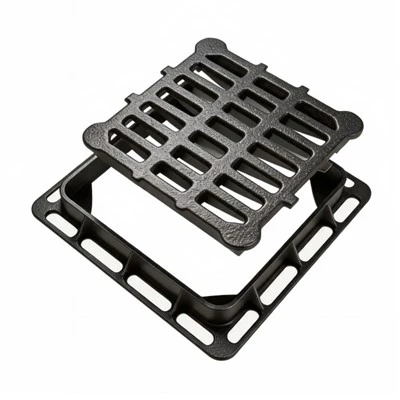
If you’re in the market for sloped cable trench covers, or have questions about which type of cover is right for your project, don’t hesitate to reach out to our team. We’re here to walk you through our options, provide custom quotes, and answer any questions about sizing, material, or installation. Every project is unique, and we take pride in helping our clients find the perfect solution for their needs.
Composite Manhole Cover References
- American Society of Civil Engineers. (2021). Utility Infrastructure Design Guidelines for Underground Trench Systems. ASCE Press.
- National Electrical Manufacturers Association. (2019). Standards for Underground Cable Protection Systems. NEMA Publications.
- International Code Council. (2022). International Building Code: Chapter 35, Utility and Trench Covers. ICC.
- Local Government Commission. (2020). Stormwater Management for Municipal Infrastructure: Best Practices for Trench Covers. LGC Publications.
- Ductile Iron Society. (2018). Ductile Iron Products for Underground Utility Infrastructure. DIS Technical Bulletin.
Hangzhou Hongkun Municipal Engineering Co., Ltd.
We are one of the most experienced cable trench cover manufacturers and suppliers in China, also accept customized orders. We warmly welcome you to wholesale bulk high quality cable trench cover in stock here from our factory. If you have any enquiry about quotation, please feel free to email us.
Address: No.666, Jiuheng Road, Shangcheng District, Hangzhou City, Zhejiang Province
E-mail: tsxhxw@126.com
WebSite: https://www.hkmuni.com/
